Hi, what do you want to do?






PBS
Pbs Learning Media: Wild Kratts: Koala Balloon
In this episode of the Kratt brothers, we learn about how animals adapt to their environment in order to survive. The storyline has them visiting the Australian Outback to help a young koala return to its eucalyptus forest home. They...

Monterey Institute for Technology and Education
National Oceanic and Atmospheric Administration: Deep Sea Benthos
This video shows a variety of deep sea animals (benthos) and explains the adaptations that enable them to live at extreme depths.
PBS
Pbs Learning Media: Evolution of Camouflage
This video segment from Evolution: "Darwin's Dangerous Idea" illustrates the remarkable camouflage of a praying mantis against its leafy backdrop. [0:57]
PBS
Pbs Learning Media: Fish With Fingers
In this video segment from Evolution: "Great Transformations," paleontologist Jenny Clack explains that vertebrates evolved fingers before they invaded land. [3:49]

Howard Hughes Medical Institute
Hhmi: Bio Interactive: Icefish Film With Quiz
This video will explore adaptations by looking at how genes are reused and recycled in icefish. The video includes embedded quiz modules to test students' understanding. [13:14]
Sophia Learning
Sophia: Organisms: Adaptations to Environment: Lesson 1
This lesson discusses how living things adapt to survive changing environments. It is 1 of 4 in the series titled "Organisms: Adaptations to Environment."
Minute Earth
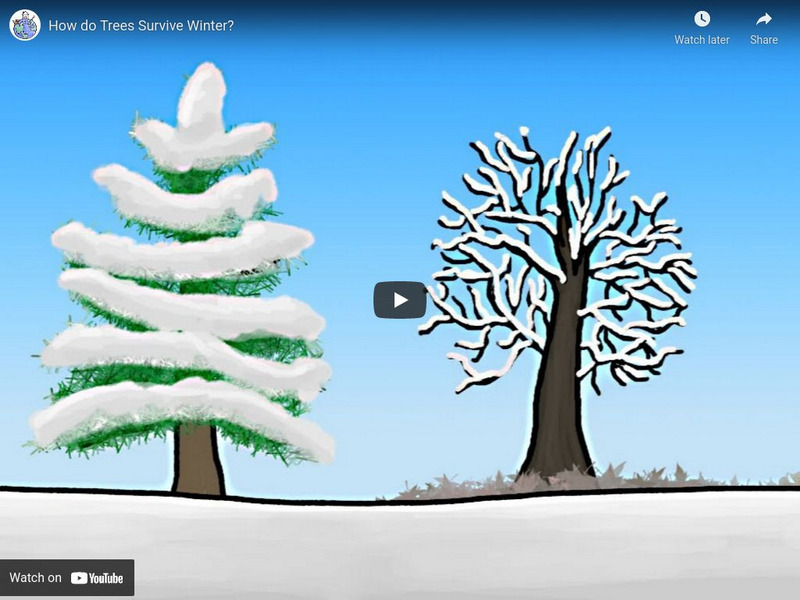
Minute Earth: How Do Trees Survive Winter?
Learn about some survival mechanisms that allow plants to survive in cold climates. [2:49]
Minute Earth
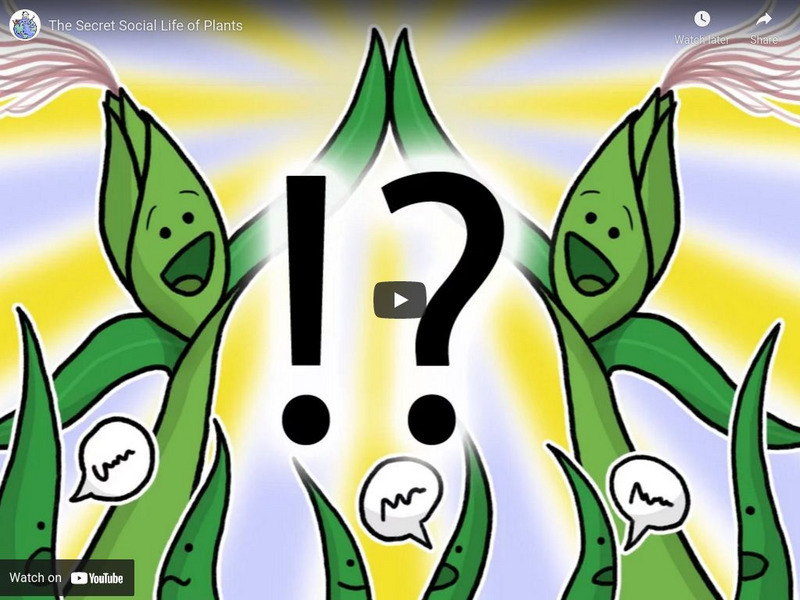
Minute Earth: The Secret Social Life of Plants
Plants are more than just green, photosynthesis machines. They behave and adapt to their environmental cues much like animals do. [2:32]
Science Friday Initiative
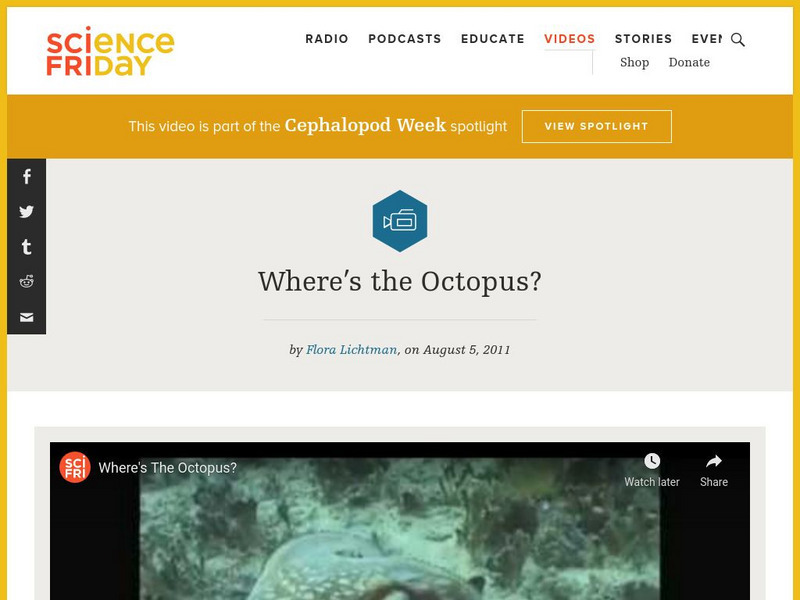
Science Friday: Where's the Octopus
A movie following the research of Roger Hanlon on cephalopods and their ability to use camouflage. Learn about a cephalopods ability not only to change their coloring but also their skin texture. Roger Hanlon explains his research and...
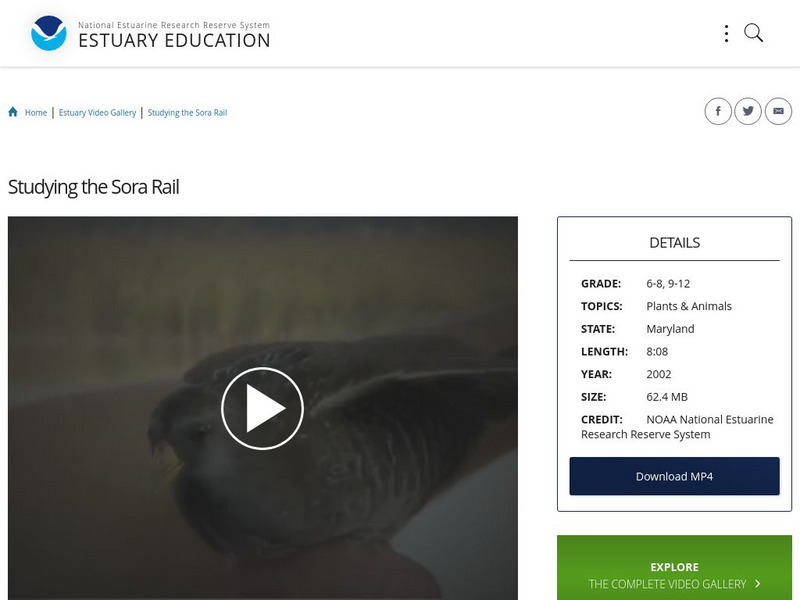
NOAA
Noaa: Estuary Education: Studying the Sora Rail
Have you heard the expression "skinny as a rail?" Learn where it originated and much more about this unusual bird, the Sora Rail. [8:05]
Science Friday Initiative
Science Friday: When Is a Moth Like a Hummingbird?
Understand how the hawk moth keeps a precise position in the air, with a UNC Chapel Hill biomechanist's study using high speed cameras. [4:06]
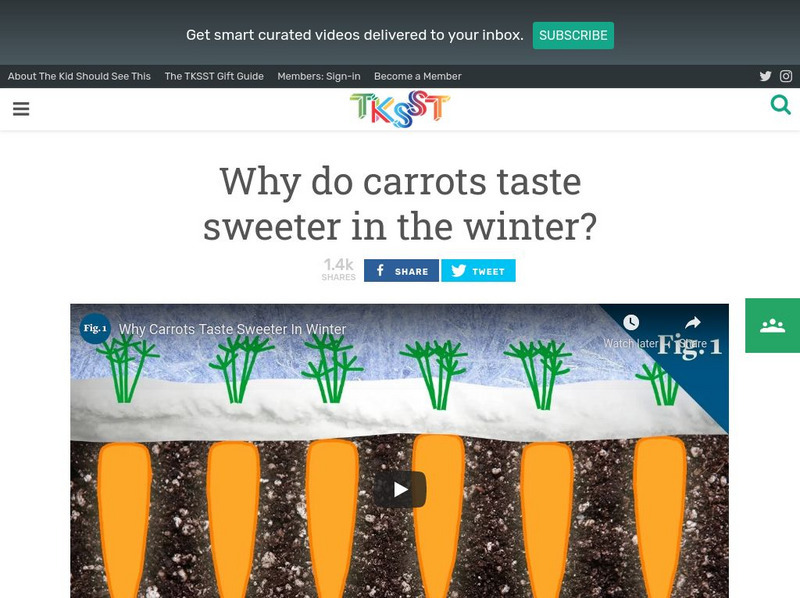
The Kid Should See This
Tksst: Why Do Carrots Taste Sweeter in the Winter?
Listen as Molecular Biologist Liz Roth-Johnson explains why cold weather makes carrots taste sweeter. [1:02]
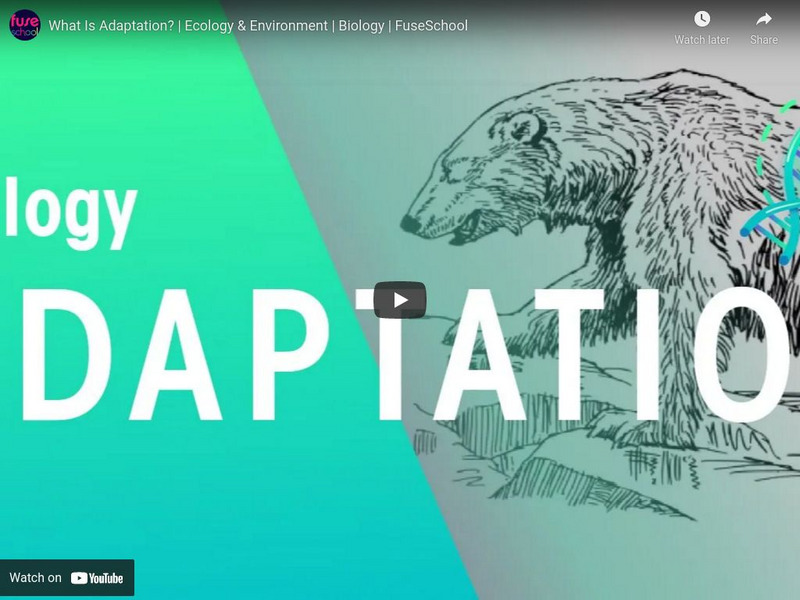
Other
Fuse School: What Is Adaptation?
Investigate how organisms adapt to their environments through this to-the-point video. [1:22]
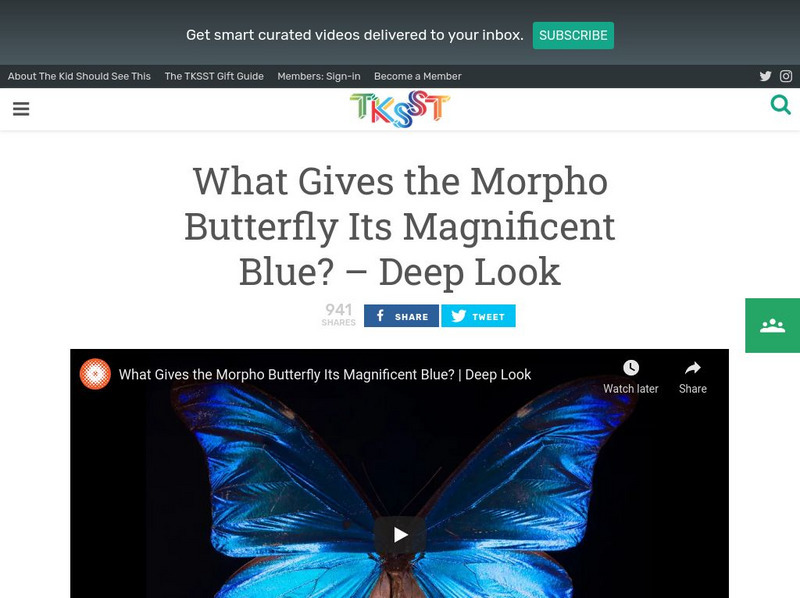
The Kid Should See This
Tksst: Deep Look: What Gives the Morpho Butterfly Its Magnificent Blue?
Take a look into structural coloration, the physics of light, and how it is possible that the Morpho butterfly's wings appear to be blue, despite their containing no blue pigment at all. [3:03]
Other
Flocabulary: Adaptation
Students will learn how plants and animals develop cool tricks for surviving amid different climates, predators and more. [2:49]

Khan Academy
Khan Academy: Cam Plants
A video investigating CAM plants and how they fix carbon at night. Learn how they minimize opening their stomata during to day to preserve water. [8:37]
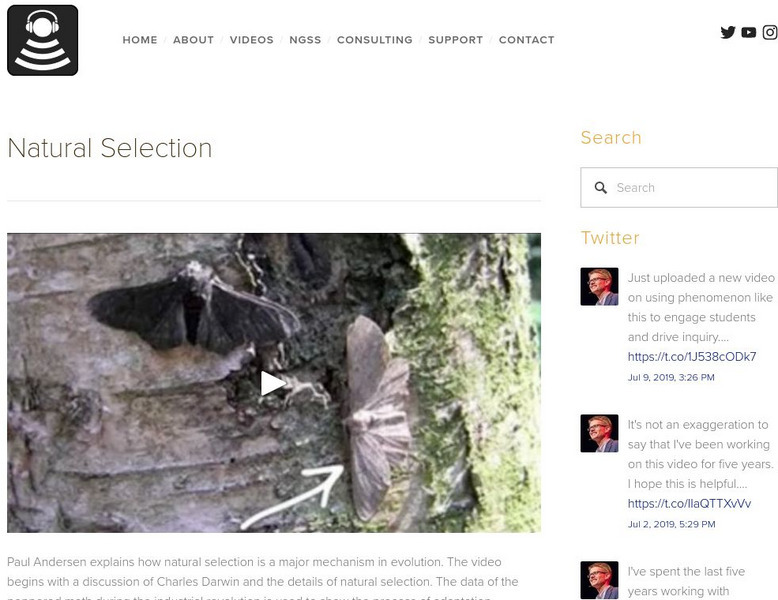
Bozeman Science
Bozeman Science: Natural Selection
Paul Andersen explains how natural selection is a major mechanism in evolution. The video begins with a discussion of Charles Darwin and the details of natural selection. The data of the peppered moth during the industrial revolution is...
Crash Course
Crash Course Kids 41.1: Living Things Change
Learn about some examples of how and why living things change because of changes in their environments. [4:36]
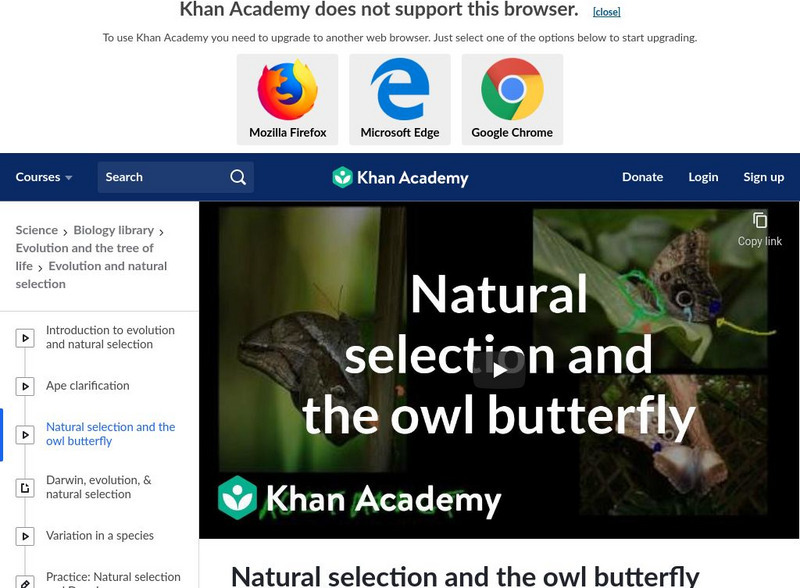
Khan Academy
Khan Academy: Natural Selection and the Owl Butterfly
Find out how the "Owl Butterfly" may have gotten the spot on its wings. [13:29]
Science Friday Initiative
Science Friday: Night Vision and Dna
Why do some animals have much better night vision than others? We'll talk about new research tracing the root of improved night vision to the architecture of the DNA inside the photoreceptor rod cells of the animals' eyes.
Science Friday Initiative
Science Friday: The Smell of Death
A specific blend of fatty acids signal death or injury to a variety of animals, providing a warning to others of the species.
Sophia Learning
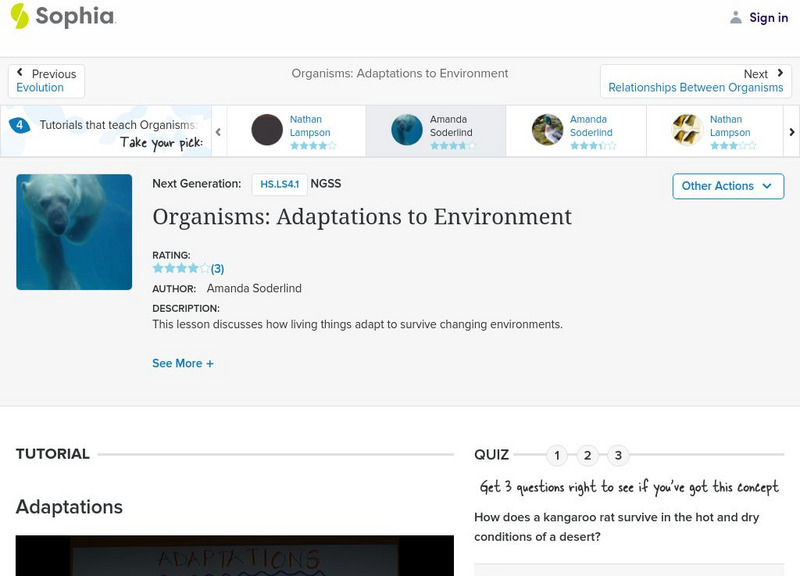
Sophia: Organisms: Adaptations to Environment: Lesson 2
This lesson discusses how living things adapt to survive changing environments. It is 2 of 4 in the series titled "Organisms: Adaptations to Environment."
Bozeman Science
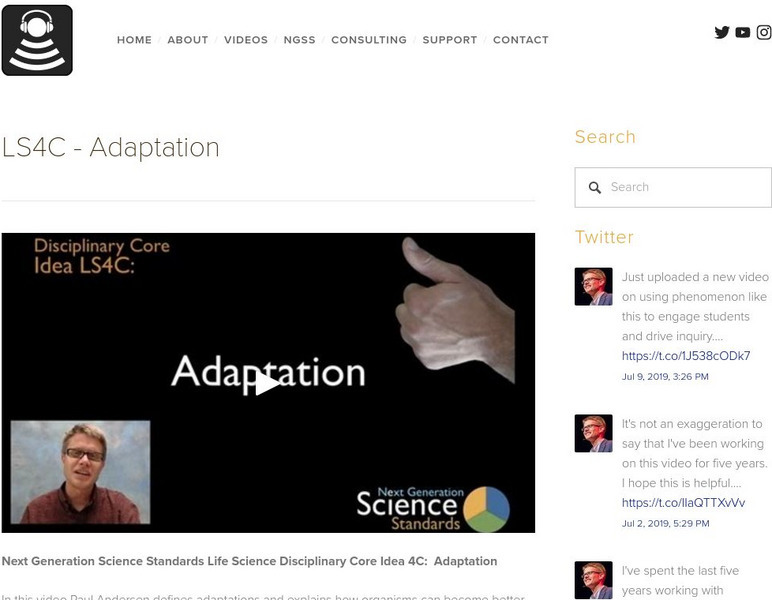
Bozeman Science: Adaptation
In this video, Paul Andersen defines adaptations and explains how organisms can become better adapted to there surroundings using the process of natural selection. Specific examples of adaptations, like coat color in rock pocket mice, as...