Hi, what do you want to do?






National Geographic
National Geographic: Oil and Bird Populations
After learning about the diversity of wildlife in the Gulf of Mexico, students focus on birds and their patterns of behavior. They then how an oil spill might affect migrating birds, and possible ways to help them in the event of an oil...

American Museum of Natural History
American Museum of Natural History: O Logy: Saving Species
Learn why fieldwork is an important component of any scientist's career, especially among those who are actively working to preserve the Earth's biodiversity. Three American Museum of Natural History biologists tell you about their...
American Museum of Natural History
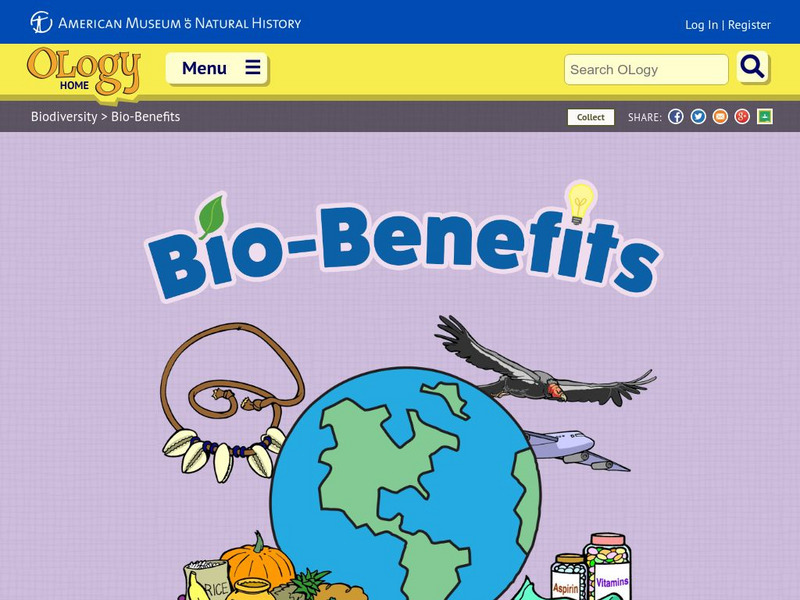
American Museum of Natural History: O Logy: Bio Benefits
What does it take to keep our planet livable? What are the things we need to sustain life? The Bio-Benefits site answers these questions and others pertaining to basic life needs. Click on the hyperlinked words to see interactive...
American Museum of Natural History
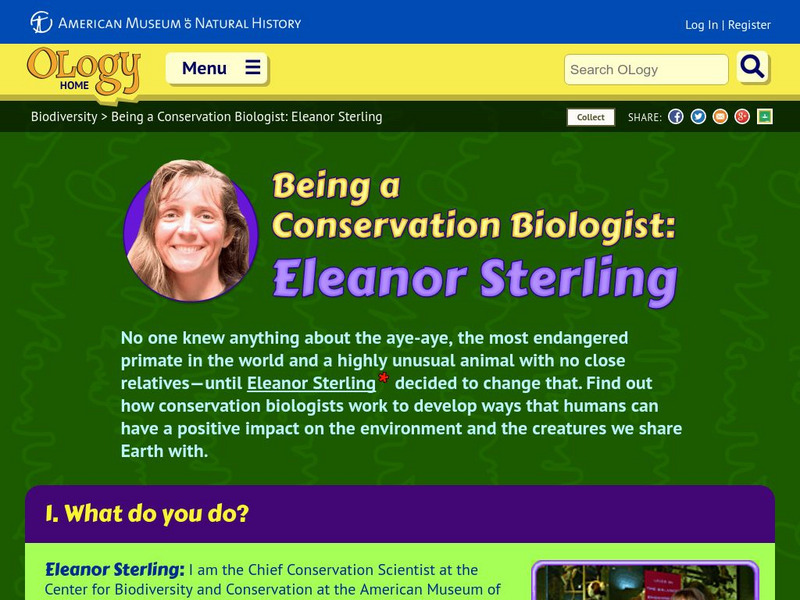
American Museum of Natural History: Conservation Biologist Eleanor Sterling
Interview with conservationist Eleanor Sterling provides insights into her research interests, her career preparation, and advice for kids interested in doing field investigations in biology.

US Geological Survey
Lake Pontchartrain Basin Foundation: Ecosystems in Delicate Balance
Learning activities to investigate how organisms interact in a functioning ecosystem. Students will explore the role organisms play in food chains and preserving biodiversity in ecosystems. Lake Pontchartrain Basin ecosystem is featured...
American Museum of Natural History
American Museum of Natural History: It Takes All Kinds to Make a World
Learn about the biodiversity found in the ocean by looking at examples of marine life.
American Museum of Natural History
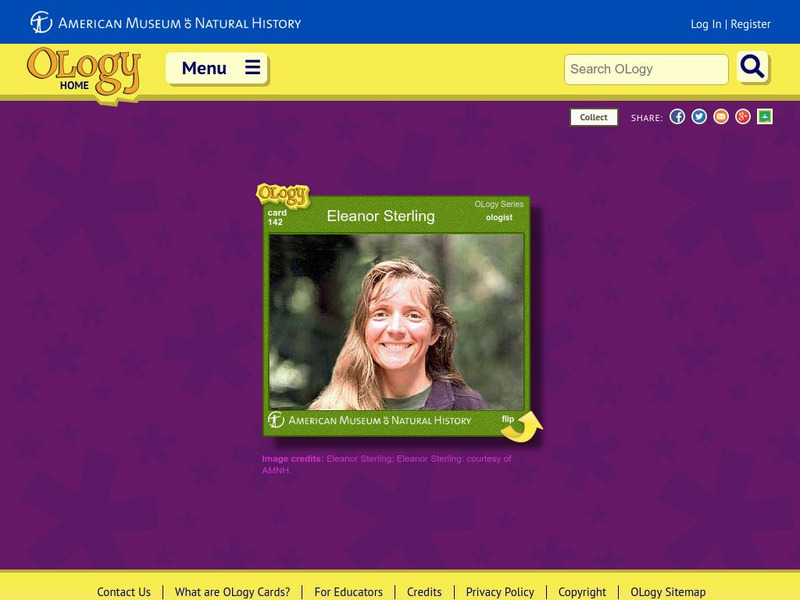
American Museum of Natural History: Eleanor Sterling, Scientist, O Logy Card
Flip the card to learn about the conservationist Eleanor Sterling, who works with people all over the world to conserve the biodiversity of our planet.
Science Struck
Science Struck: Grassland Biome: Animals and Plants
Describes the characteristics, biodiversity, and the adaptations of the plants and animals of temperate and tropical grasslands.
NASA
Nasa: Imagers: Teacher's Guide
NASA thematic unit targets students in grades 5-8. Within the unit, users will find lesson plans, reproducible worksheets, visuals, and links to useful resources.
American Museum of Natural History
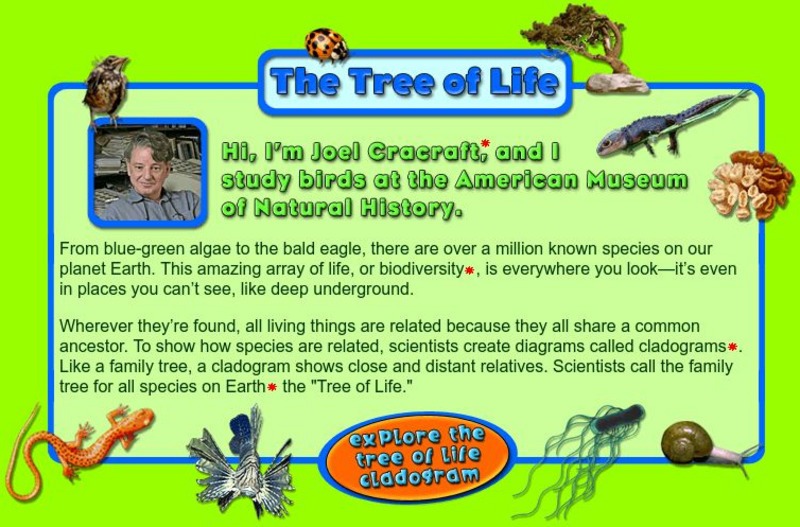
American Museum of Natural History: O Logy: The Tree of Life
Learn about the diversity of species on Earth by exploring a cladogram, a graph-like tree of life that illustrates relatedness among species. Includes instructions for reading cladograms and a pie chart that summarizes the percentages of...
San Diego Zoo Global
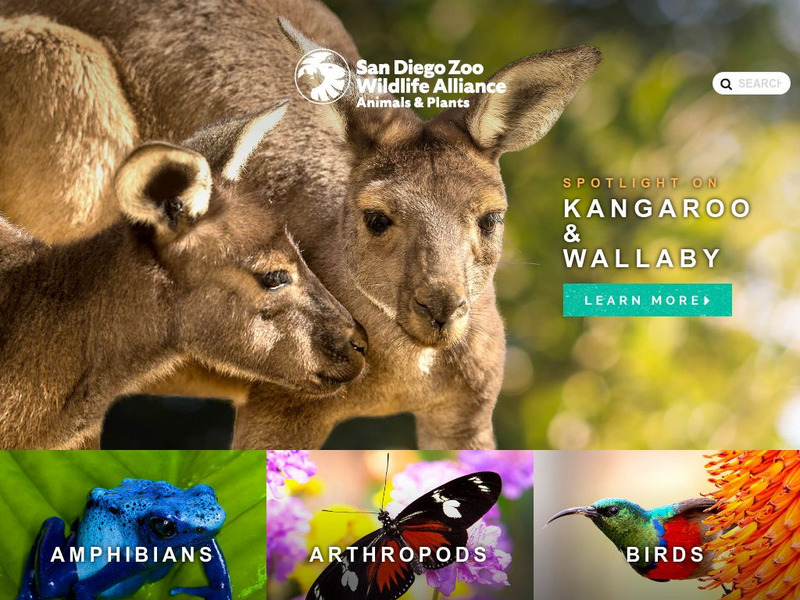
San Diego Zoo: Animals
This resource describes the most popular animals at the world-famous San Diego Zoo. Each profile gives background about a specific animal, and more information about the species.

Other
Plant Watch
The Plant Watch website is designed to teach students how to record observations about plants. The site provides good information about the parts of plants and the section, "Plant Descriptions," will lead you to detailed information on...
Globio
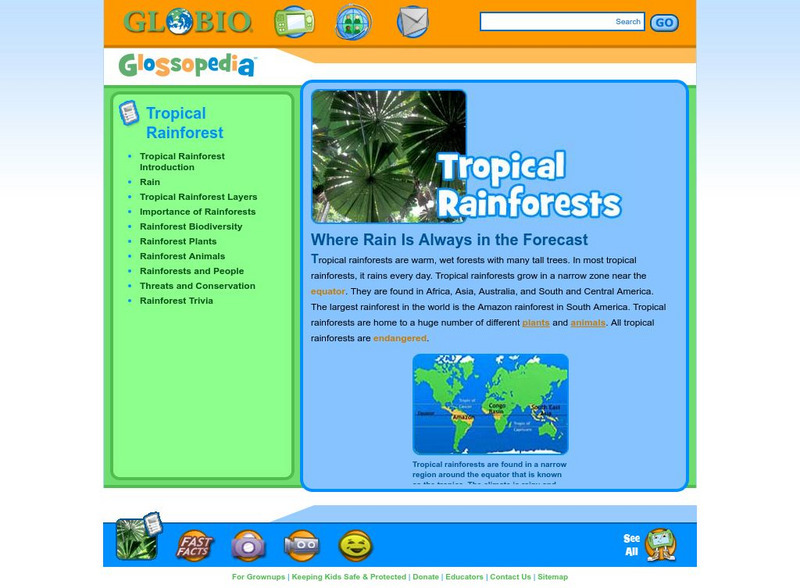
Glossopedia: Tropical Rainforests
Tropical rainforests are found along the Earth's equator. They possess a very special climate and are an integral part of the planet's natural system. Climate, plant and animal life, and indigenous peoples are discussed. Additionally,...
NASA
The Adventures of Echo the Bat
Remote sensing, false-color satellite images, and the electromagnetic spectrum are all covered in this fun site about Echo the bat. These topics are addressed in both a story book and text book fashion and are supported by a full set of...

Ducksters
Ducksters: Science for Kids: World Biomes and Ecosystems
Kids learn about the world's biomes and ecosystems. The network of life and biodiversity needed for all to survive.
Smithsonian Institution
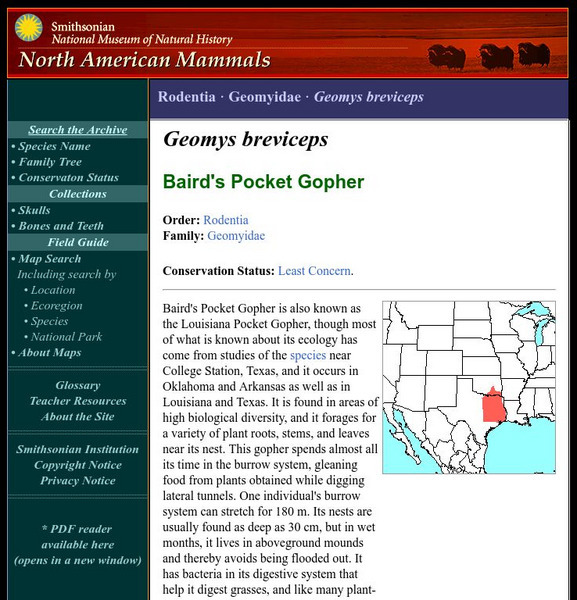
National Museum of Natural History: American Mammals: Baird's Pocket Gopher
Baird's Pocket Gopher is also known as the Louisiana Pocket Gopher, though most of what is known about its ecology has come from studies of the species near College Station, Texas, and it occurs in Oklahoma and Arkansas as well as in...
Science Struck
Science Struck: Abiotic Factors of the Rainforest
Abiotic factors, e.g., sunlight and precipitation, play a huge role in supporting biodiversity in a rainforest. This article discusses the features of rainforests and how abiotic factors affect the plants and animals that live there.
National Center for Ecological Analysis and Synthesis, University of California Santa Barbara
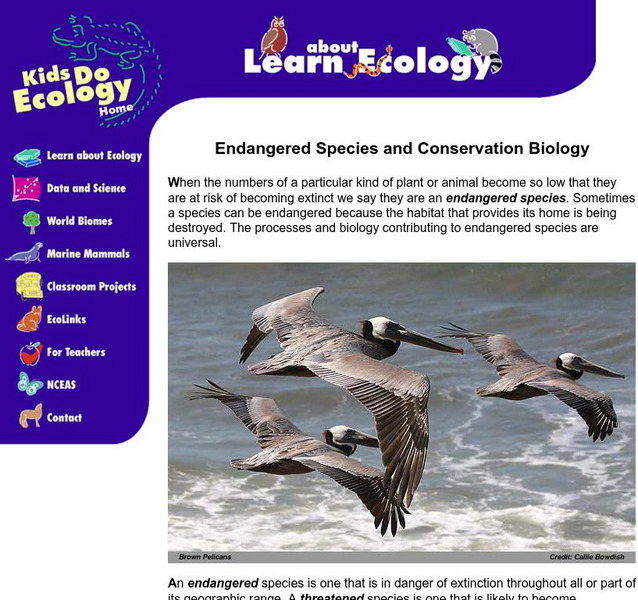
Kids Do Ecology: Endangered Species and Conservation Biology
Find out about conservation biology as it relates to endangered and threatened species. Learn about the factors contributing to the loss of species and what efforts have helped bring some animals back form the brink of extinction.

Scholastic
Scholastic: Study Jams! Science: Animals: Kingdoms of Life
A playful interactive introducing biology's five animal kingdoms. Watch the video, take a quiz, and review vocabulary.
CPALMS
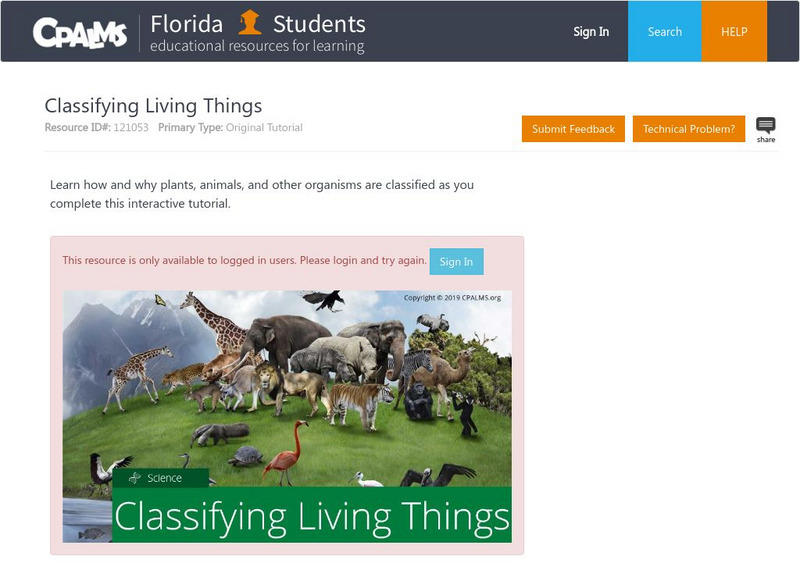
Florida State University Cpalms: Florida Students: Classifying Living Things
Learn how all living things are classified.

American Museum of Natural History
American Museum of Natural History: Ology: Saving Species
Click on the country name to travel to the Bahamas, Madagascar, and Australia to see what scientists are learning about different species, what roles they play in their ecosystems, and how we can best protect them. Click on the starred...

National Geographic Kids
National Geographic Kids: Dung Beetle Derby
A strategy game where students build walls and ramps in the rainforest, so they can help the dung beetles roll away the balls of dung.
Globio
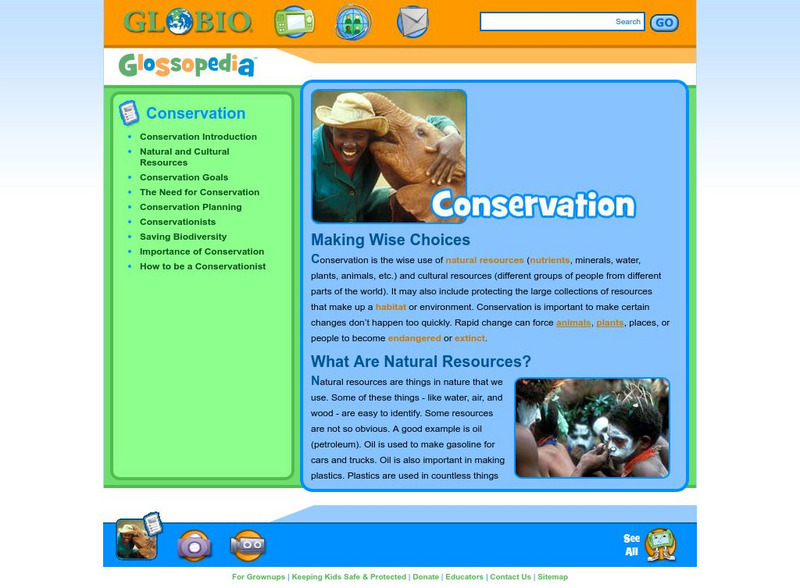
Glossopedia: Conservation
Conservation concepts are explained and illustrated within the context of the global community.
American Museum of Natural History
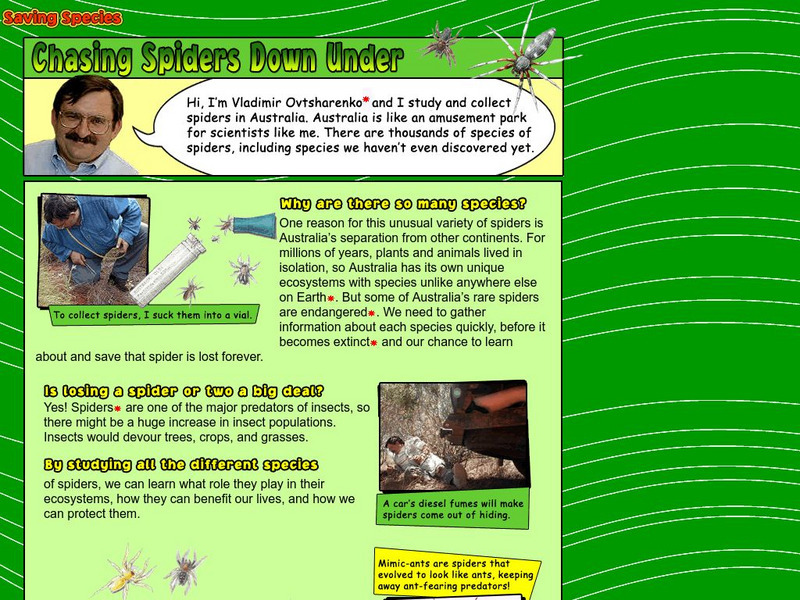
American Museum of Natural History: O Logy: Chasing Spiders Down Under
Naturalist Vladimir Ovtsharenko explains why Australia is home to so many different species of spiders, why spiders are important, and why spiders should be protected.
Other popular searches
- Biodiversity and Ecosystems
- Biodiversity in Forests
- Biodiversity Loss
- Insect Biodiversity
- Great Lakes Biodiversity
- Marine Biodiversity
- Biodiversity of Fish
- Climate and Biodiversity
- Global Biodiversity
- Hall of Biodiversity
- Biodiversity in Utah
- Biodiversity Bingo