Hi, what do you want to do?






National Humanities Center
National Humanities Center: Toolbox Library: Attacking Stereotypes, Making of African American Identity: V. 3
Two images that express the growing militancy of the civil rights movement in the 1960s. This article explains how Joe Overstreet (1934-) and Betye Saar (1929-) went head to head with the formidable Aunt Jemima and with wit and irony...
Other
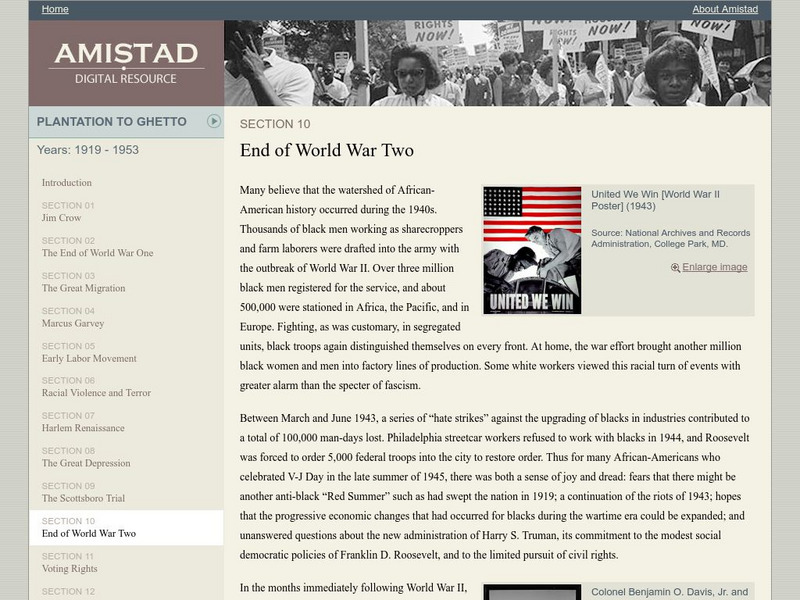
Amistad Digital Resource: End of World War Two
Narrative explores the role of African Americans after World War II ended and the state of the civil rights movement from the 1940s to the early 1050s.
Annenberg Foundation
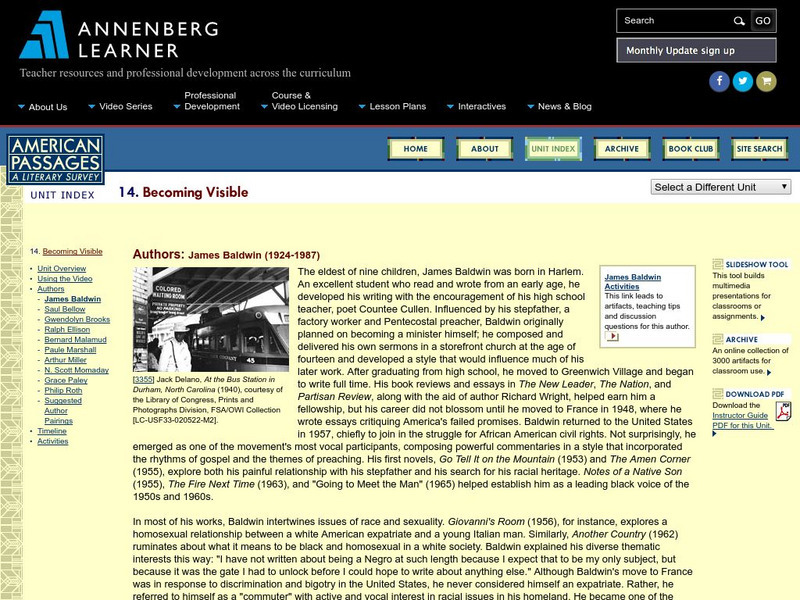
Annenberg Learner: American Passages: Becoming Visible: James Baldwin
James Baldwin is presented in this biography as a great African American contributor to the literary world during the civil rights movement. See "James Baldwin Activities" for more information.
US National Archives
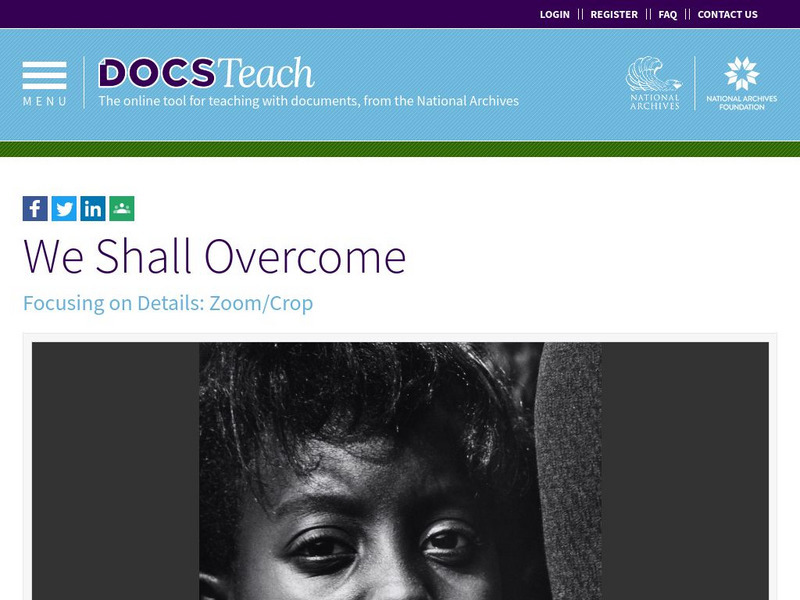
Docsteach: We Shall Overcome: March on Washington
Students will discover the reasons behind the March on Washington and analyze the impact and consequences on the Civil Rights Movement in the United States.
National Humanities Center
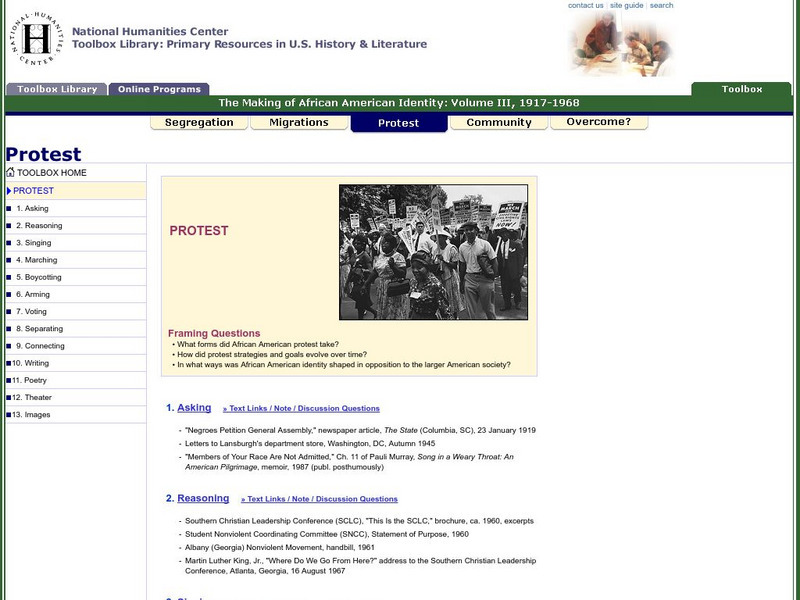
National Humanities Center: Toolbox Library: Making of African American Identity: Volume Iii, 1917 1968: Protest
A collection of 13 primary resources with questions for discussion and links to supplemental material about the various forms of protest undertaken by African Americans in pursuit of civil rights and how it helped shape identity.

Other
The Seattle Times: Martin Luther King Jr.
A complete resource on Martin Luther King, Jr. Contains a timeline on his life, audio files for some of his speeches, lesson plans, and more.
Siteseen
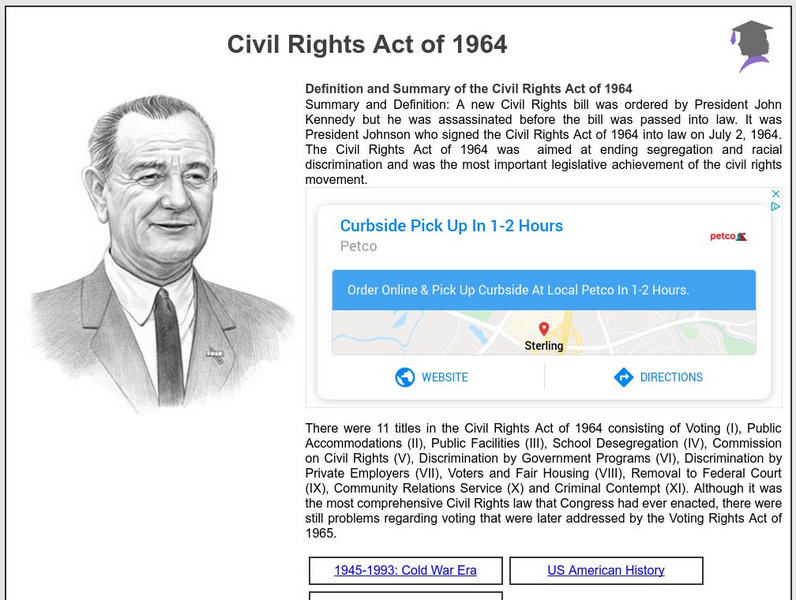
Siteseen: American Historama: Civil Rights Act of 1964
Learn about the Civil Rights Act of 1964 that was aimed at ending segregation and racial discrimination.

University of Missouri
Famous Trials: Chronology of the Mississippi Burning Trial
This site has a colorful chart detailing the date by date progression of the Mississippi Burning Trial.
Curated OER
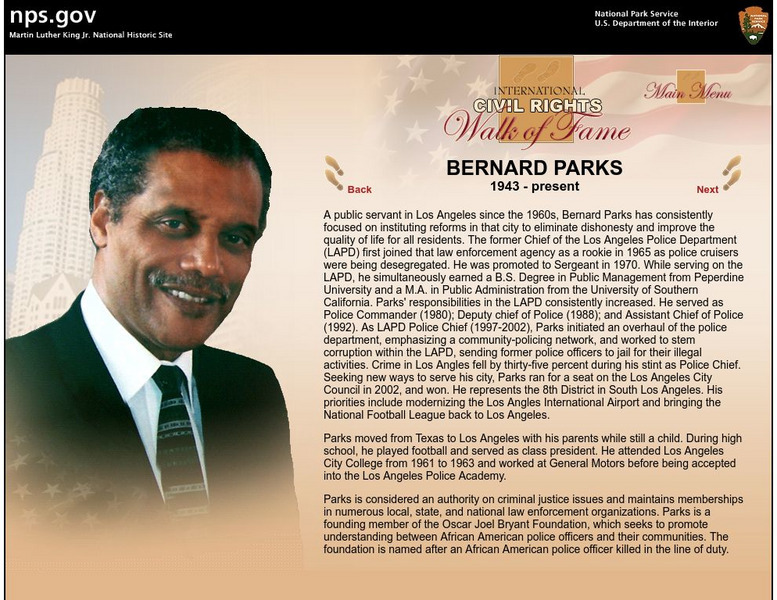
National Park Service: International Civil Rights Walk of Fame: Bernard Parks
A short biography on former Los Angeles Police Chief, Bernard Parks, a founding member of the Oscar Joel Bryant Foundation formed to better communication between African American police officers and the communities around Los Angeles.
Digital History
Digital History: Birmingham, Alabama: Bombingham
The city that best exemplifies white resistance to integration and the tension and conflict of the civil rights movement is Birmingham, Alabama. Learn about events of and reactions to the civil rights movement of the early 1960s in...

Other
Africana Online: Civil Rights Timeline
A concise Civil Rights timeline that begins with the 1954 Brown vs. Board of Education decision and ends with the 1992 LA riots in response to the Rodney King trial.
Alabama Humanities Foundation
Encyclopedia of Alabama: Rosa Parks
Rosa Parks is featured in this brief biography for her role in the Civil Rights Movement.

A&E Television
History.com: Black History Milestones
A detailed account of the history of African Americans is presented in this article. Divided by main topics or periods of time, the coming of slavery to America is the first focus. Followed by plantation life and escapes to freedom and...

Other
Naacp: How the Naacp Began
Information about the history of the National Association for the Advancement of Colored People.
Constitutional Rights Foundation
Constitutional Rights Foundation: Race and Voting in the Segregated South
Article and activity in which students read and analyze the historic challenges faced by African Americans as they sought to gain an unimpeded right to vote in the segregated South followed by activity asking students to evaluate current...
PBS
Pbs Learning Media: The Watsons Go to Birmingham 1963 by Christopher Paul Curtis
This collection uses primary sources to explore The Watsons Go To Birmingham-1963 by Christopher Paul Curtis.
PBS
Pbs Learning Media: Primary Source Set: The Fire Next Time by James Baldwin
This collection uses primary sources to explore The Fire Next Time by James Baldwin.
PBS
Pbs Learning Media: Primary Source: The United Farm Workers Delano Grape Strike
This collection uses primary sources to explore the United Farm Workers and the Delano Grape Strike.
History Link
History Link: Chicano/latino Activism in Seattle, 1960s 1970s
An article about the Chicano Movement in Washington state, and Seattle in particular at the height of the Civil Rights movement. Read about the formation of the Brown Berets and their place in the movement.
Gilder Lehrman Institute of American History
Gilder Lehrman Institute: History Now: Nonviolent Direct Action at Southern Lunch Counters
[Free Registration/Login Required] A lesson plan that teaches about nonviolence and uses the civil rights lunch counter protests as examples.
Other
Core: Freedom Summer
A narrative account of Freedom Summer and the murders of 3 Mississippi black members of CORE because of their support for the Civil Rights Movement.
Digital Public Library of America
Dpla: Voting Rights Act of 1965
This collection uses primary sources to explore the Voting Rights Act of 1965. Set includes an overview, primary sources, links to related resources, and a teaching guide.
Library of Congress
Loc: African American Odyssey: Part 1 of the Civil Rights Era: Desegregation
Photos, cartoons and text sum up the post war period and efforts to fight segregation in the military by President Truman.
Other
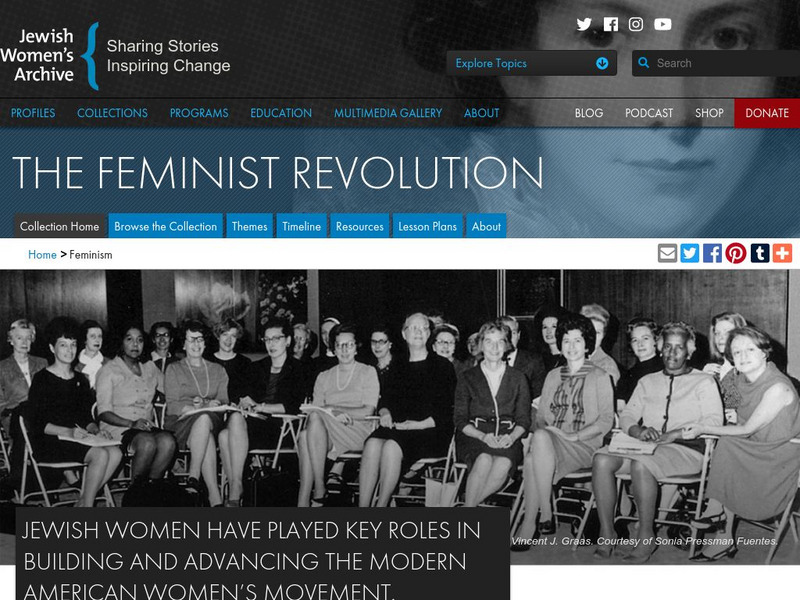
Jwa: Jewish Women and the Feminist Revolution (Jewish Women's Archive)
This site offers an interactive look at the roles Jewish women have played in the furthering of feminism and the American women's movement in the last half of the 20th century. You can access the information through a timeline, themes of...