Hi, what do you want to do?





Bozeman Science
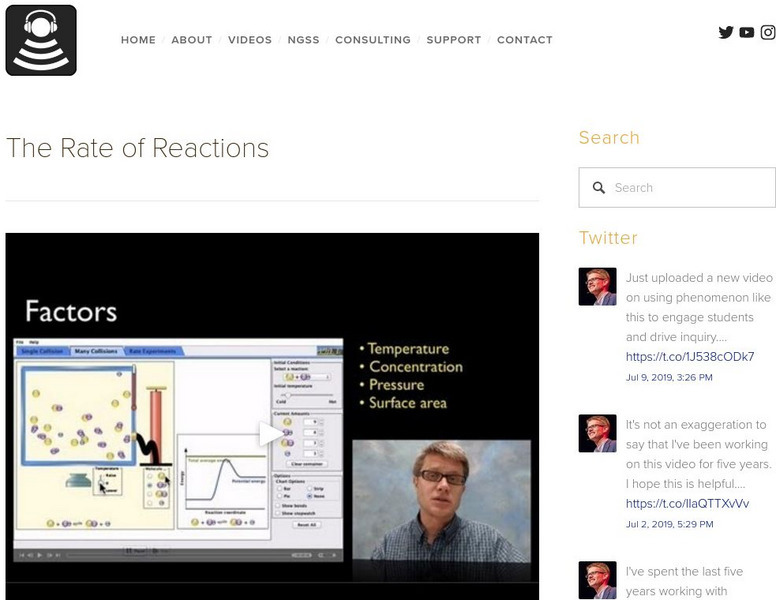
Bozeman Science: Ap Chemistry: The Rate of Reactions
Paul Andersen defines the rate of a reaction as the number of reactants that are consumed during a given period of time. The rate of the reaction can be affected by the type of reaction as well as the concentration, pressure, temperature...

Bozeman Science
Bozeman Science: Ap Genetics Review
Paul Andersen reviews the major concepts within the fifth unit of the new AP Biology framework. He starts with a description of both DNA and DNA. He explains how DNA is copied during the S phase of mitosis. He explains how transcription...
Bozeman Science
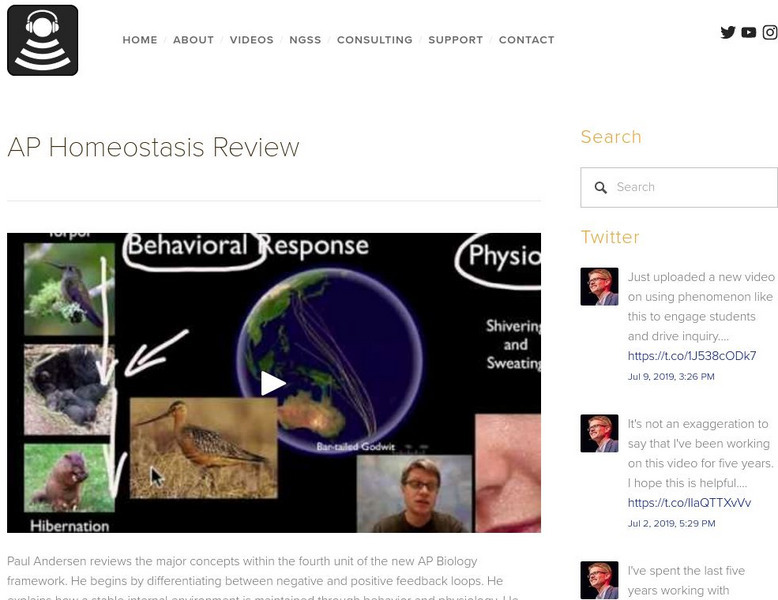
Bozeman Science: Ap Homeostasis Review
Paul Andersen reviews the major concepts within the fourth unit of the new AP Biology framework. He begins by differentiating between negative and positive feedback loops. He explains how a stable internal environment is maintained...
Bozeman Science
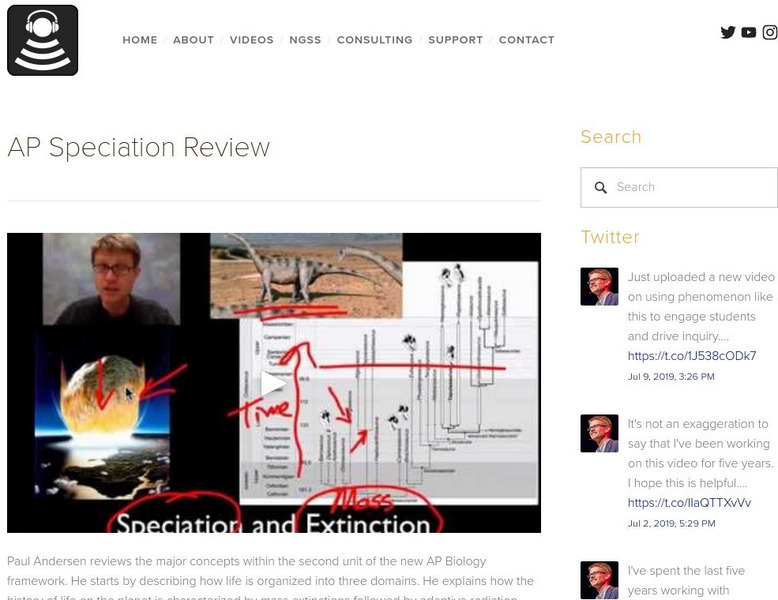
Bozeman Science: Ap Speciation Review
Paul Andersen reviews the major concepts within the second unit of the new AP Biology framework. He starts by describing how life is organized into three domains. He explains how the history of life on the planet is characterized by mass...
Bozeman Science
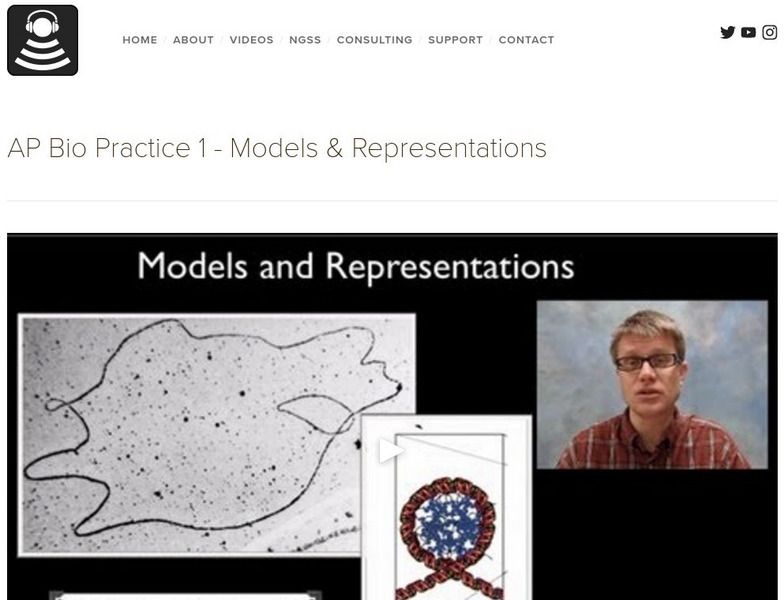
Bozeman Science: Apb Practice 1 Models & Representations
In this video, Paul Andersen explains the importance of models and visual representations in an AP Biology class. Science practices are overarching skills and knowledge required to be successful in an AP Biology classroom. Models for...
Bozeman Science
Bozeman Science: Apb Practice 2 Using Mathematics
Paul Andersen explains how to use mathematics appropriately. He begins by emphasizing the important role that mathematics plays in the life sciences today and in that the future. He describes important mathematical equations in each of...
Bozeman Science
Bozeman Science: Apb Practice 3 Scientific Questioning
Paul Andersen explains how to formulate questions to guide discussions and investigations. He starts by describing the proper type of questions that should be asked in an AP Biology classroom. He gives four examples of questions that...
Bozeman Science
Bozeman Science: Apb Practice 4 Data Collection Strategies
In this video, Paul Andersen describes the science practice of data collection. He begins with a brief description of science and the scientific method. He details concepts related to data collection in each of the four big ideas. He...
Bozeman Science
Bozeman Science: Apb Practice 5 Analysis & Evaluation of Evidence
In this video, Paul Andersen explains how scientists analyze data and evaluate evidence. He starts with a description of data and how it must be properly displayed. He then describes types of data in each of the four big ideas. He...
Bozeman Science
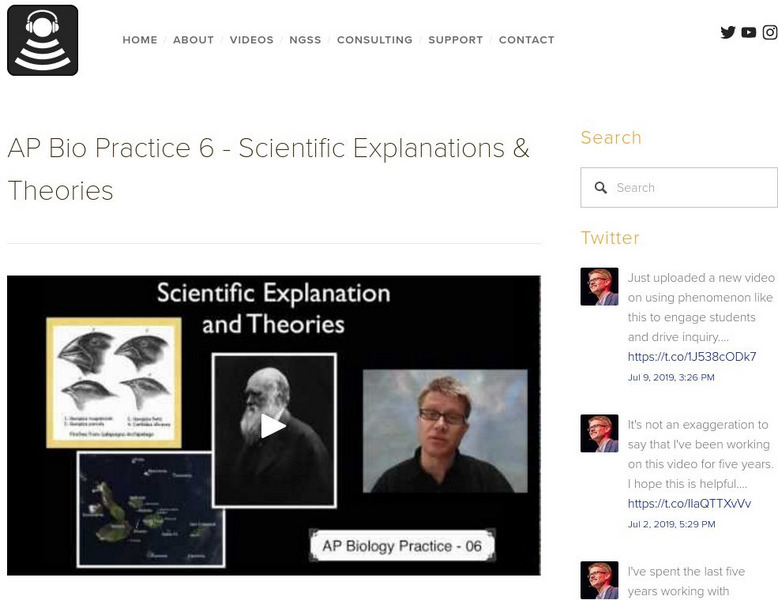
Bozeman Science: Apb Practice 6 Scientific Explanations & Theories
In this video, Paul Andersen explains how scientific theories are created and modified over time. He starts by discussing the theory of natural selection as a model for the creation and modification of theories. He gives examples of...
Bozeman Science
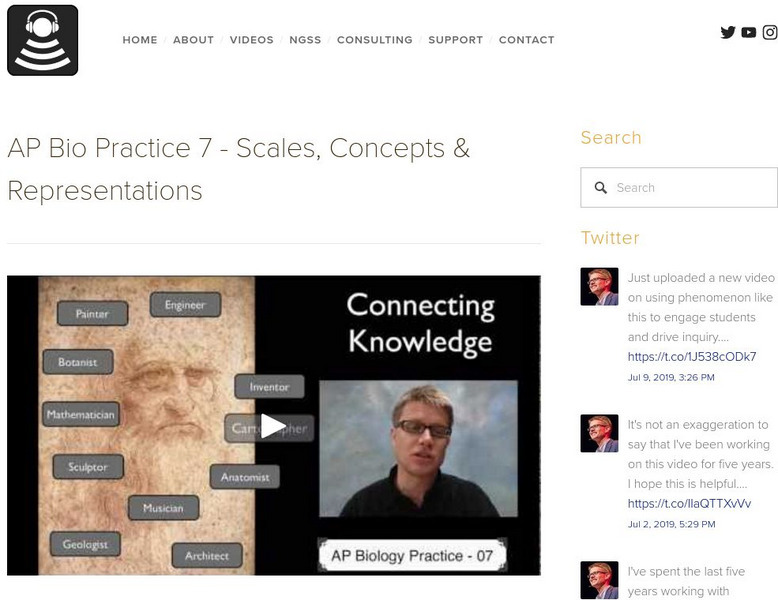
Bozeman Science: Apb Practice 7 Scales, Concepts & Representations
In this video, Paul Andersen explains the final AP Biology practice on connecting knowledge. The video begins with an introduction to interdisciplinary studies and how science is changing over time. He describes differences of scale in...
Bozeman Science
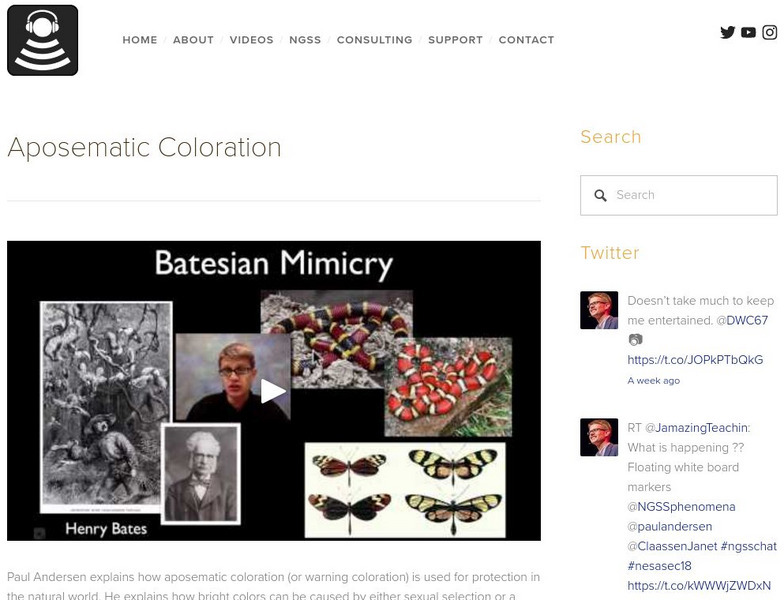
Bozeman Science: Aposematic Coloration
Paul Andersen explains how aposematic coloration (or warning coloration) is used for protection in the natural world. He explains how bright colors can be caused by either sexual selection or a warning coloration to predators. He also...
Bozeman Science
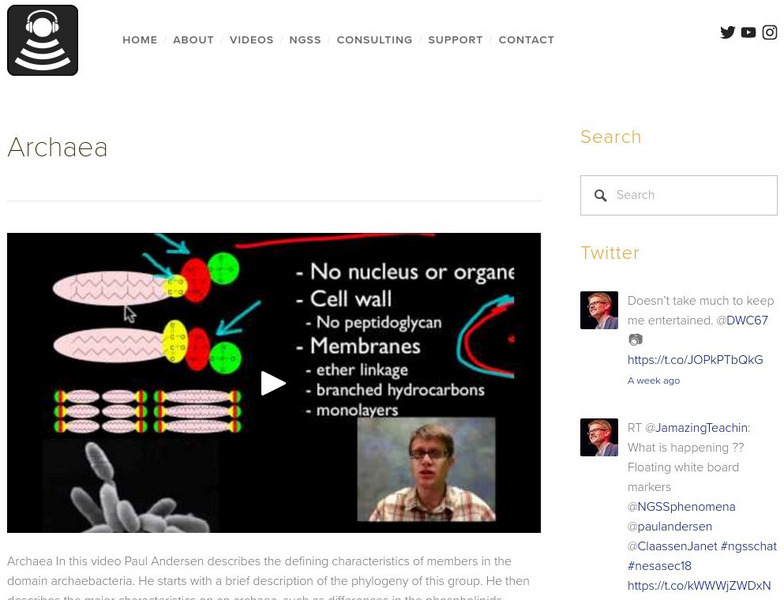
Bozeman Science: Archaea
In this video, Paul Andersen describes the defining characteristics of members in the domain archaebacteria. He starts with a brief description of the phylogeny of this group. He then describes the major characteristics on an archaea,...
Bozeman Science
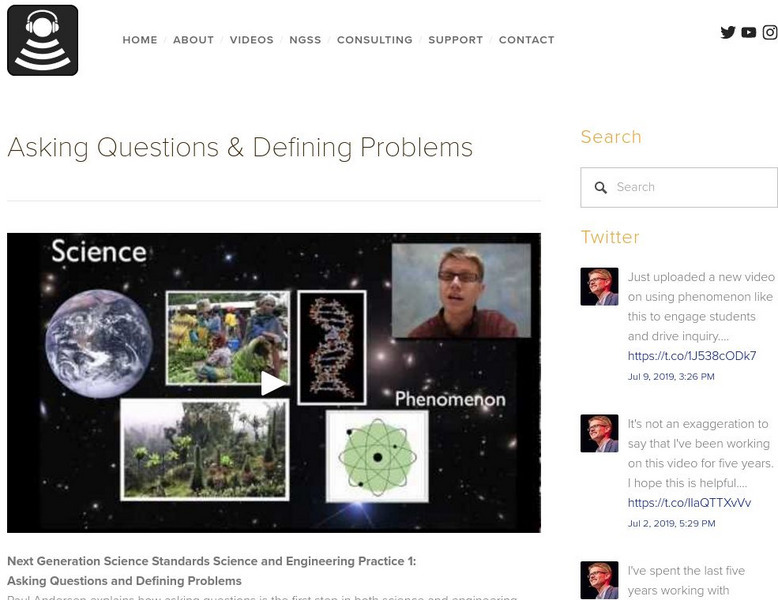
Bozeman Science: Asking Questions & Defining Problems
Paul Andersen explains how asking questions is the first step in both science and engineering. Questions allow scientists to direct inquiry with a goal of understanding the phenomena in the Universe. Questions allow engineers to define...
Bozeman Science
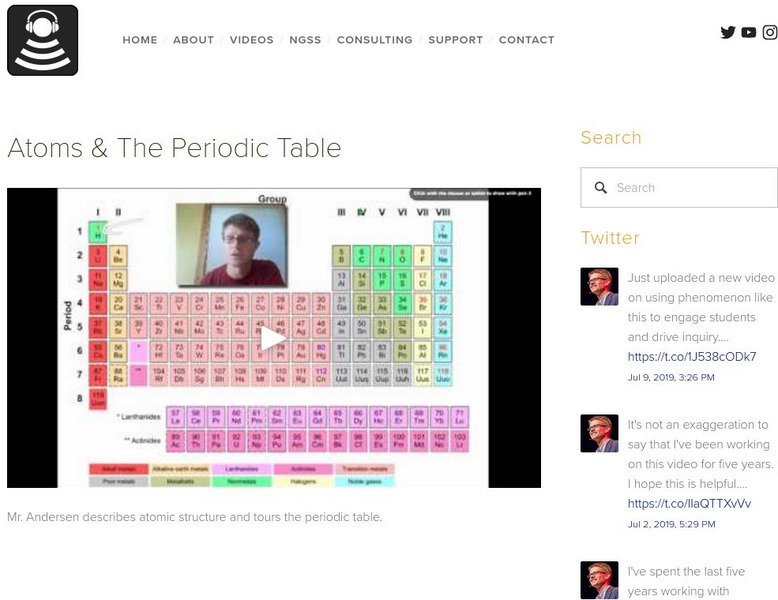
Bozeman Science: Atoms & the Periodic Table
Mr. Andersen describes atomic structure and tours the periodic table. [9:15]

Bozeman Science
Bozeman Science: Atp: Adenosine Triphosphate
Paul Andersen explains the structure, function and importance of adenosine triphosphate (ATP). He begins by describing the specific structure of the molecule and its three main parts: adenine, ribose sugar, and phosphate groups. He...
Bozeman Science
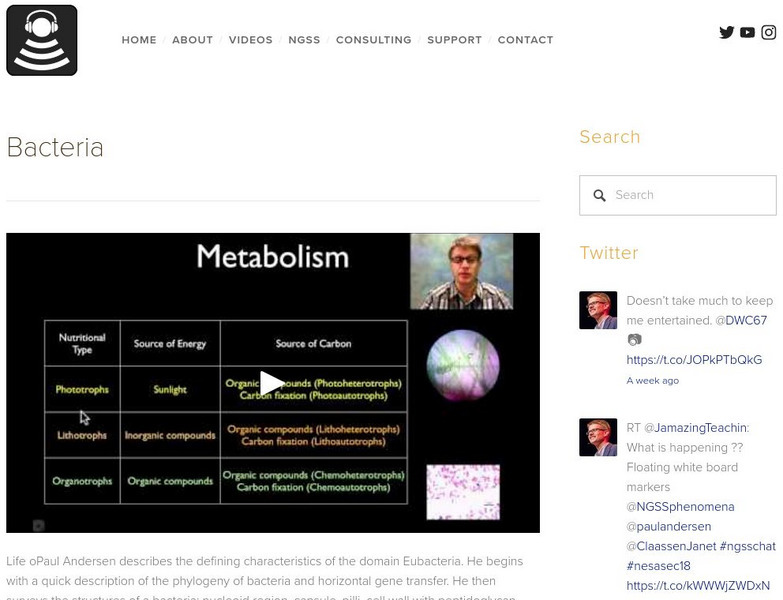
Bozeman Science: Bacteria
Paul Andersen describes the defining characteristics of the domain Eubacteria. He begins with a quick description of the phylogeny of bacteria and horizontal gene transfer. He then surveys the structures of a bacteria; nucleoid region,...

Bozeman Science
Bozeman Science: Beginner's Guide Balancing Equations
Mr. Andersen explains the basics of balancing chemical equations. A visual guide shows you how to change coefficients to balance the atoms in reactants and products.
Bozeman Science
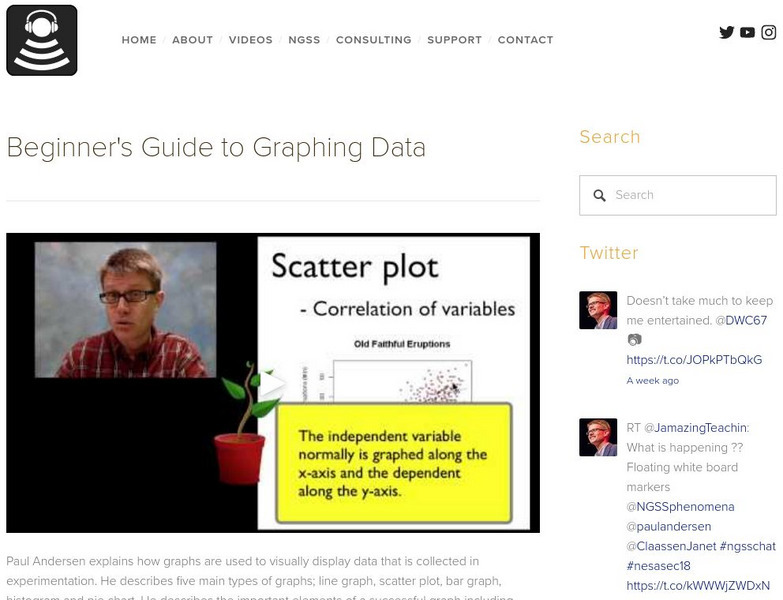
Bozeman Science: Beginner's Guide to Graphing Data
Paul Andersen explains how graphs are used to visually display data that is collected in experimentation. He describes five main types of graphs; line graph, scatter plot, bar graph, histogram and pie chart. He describes the important...
Bozeman Science
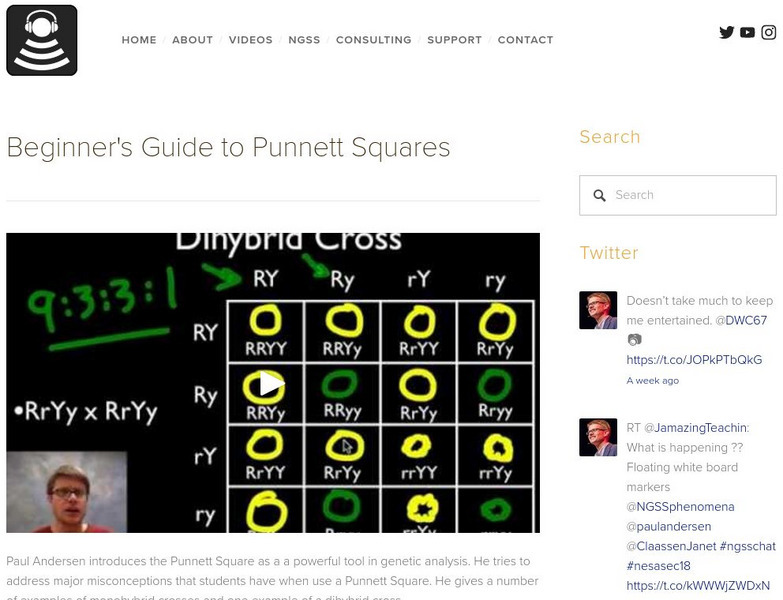
Bozeman Science: Beginner's Guide to Punnett Squares
Paul Andersen introduces the Punnett Square as a powerful tool in genetic analysis. He tries to address major misconceptions that students have when use a Punnett Square. He gives a number of examples of monohybrid crosses and one...
Bozeman Science
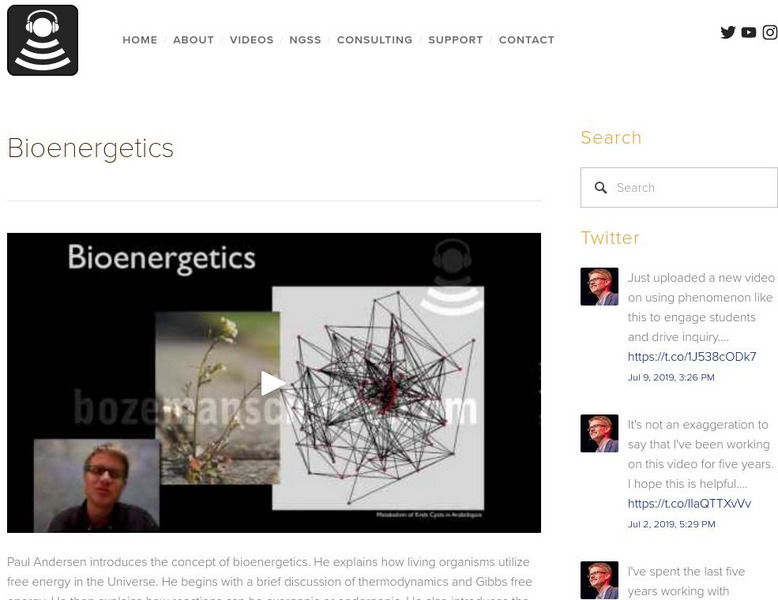
Bozeman Science: Bioenergetics
Paul Andersen introduces the concept of bioenergetics. He explains how living organisms utilize free energy in the Universe. He begins with a brief discussion of thermodynamics and Gibbs free energy. He then explains how reactions can be...
Bozeman Science
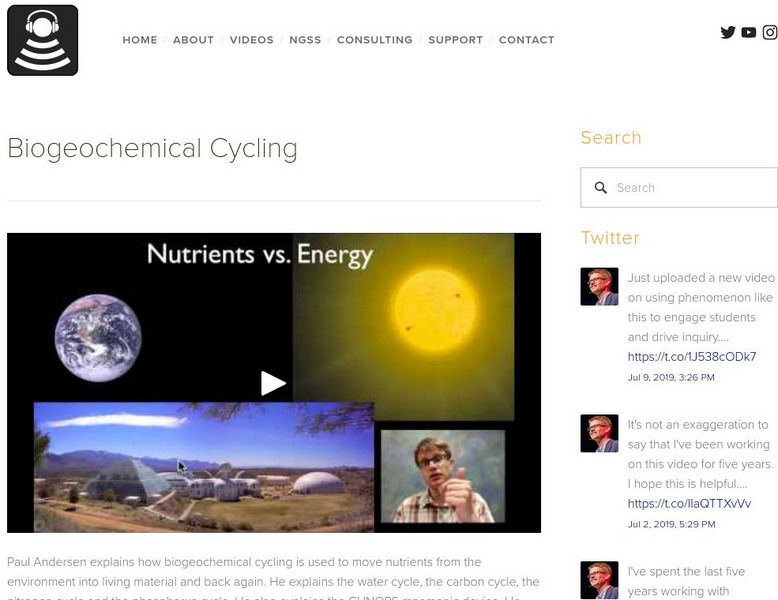
Bozeman Science: Biogeochemical Cycling
Paul Andersen explains how biogeochemical cycling is used to move nutrients from the environment into living material and back again. He explains the water cycle, the carbon cycle, the nitrogen cycle and the phosphorus cycle. He also...
Bozeman Science
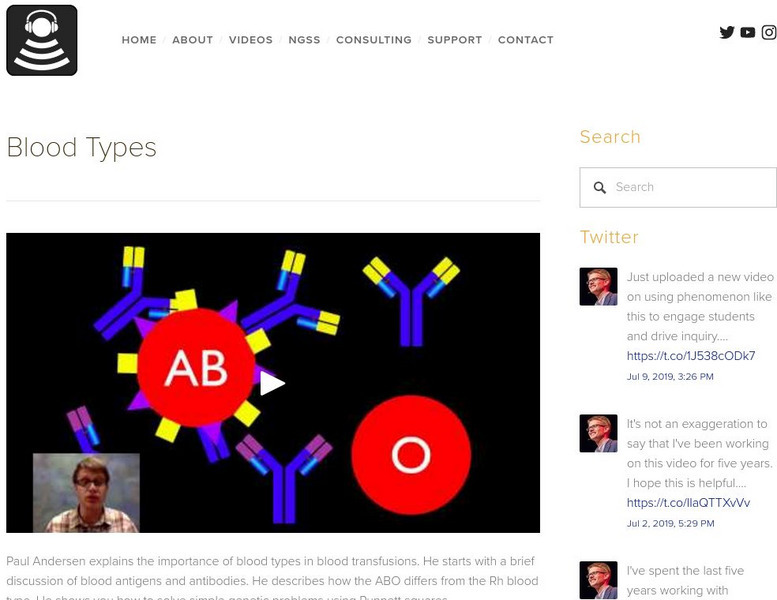
Bozeman Science: Blood Types
Paul Andersen explains the importance of blood types in blood transfusions. He starts with a brief discussion of blood antigens and antibodies. He describes how the ABO differs from the Rh blood type. He shows you how to solve simple...

Bozeman Science
Bozeman Science: Carbohydrates
Paul Andersen begins by explaining the structure and purpose of carbohydrates. He describes and gives examples of monosaccharides, disaccharides, oligosaccharide and polysaccharides. He explains how they grow through dehydration...