Hi, what do you want to do?






Bozeman Science
Bozeman Science: Speed, Velocity & Acceleration
Mr. Andersen explains the basic quantities of motion. Demonstration videos and practice problems are also included. The difference between scalar and vector quantities is also discussed.
Bozeman Science
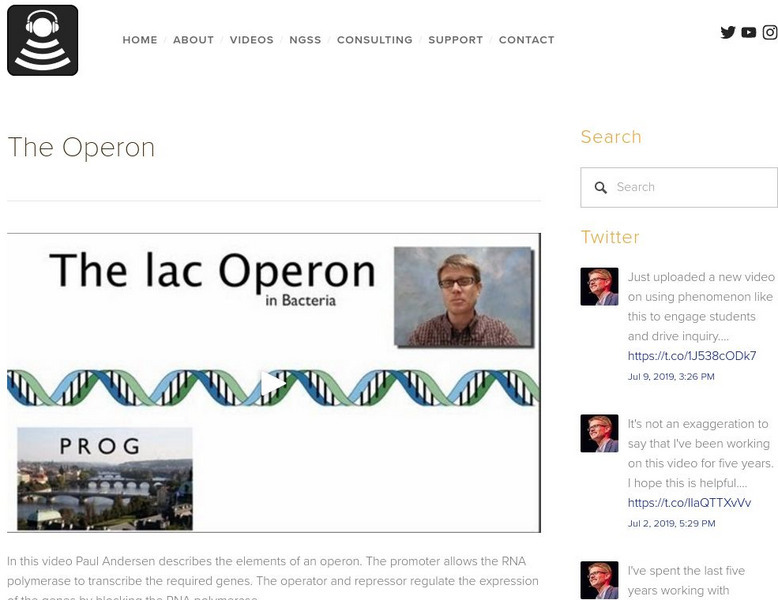
Bozeman Science: The Operon
In this video, Paul Andersen describes the elements of an operon. The promoter allows the RNA polymerase to transcribe the required genes. The operator and repressor regulate the expression of the genes by blocking the RNA polymerase.
Bozeman Science
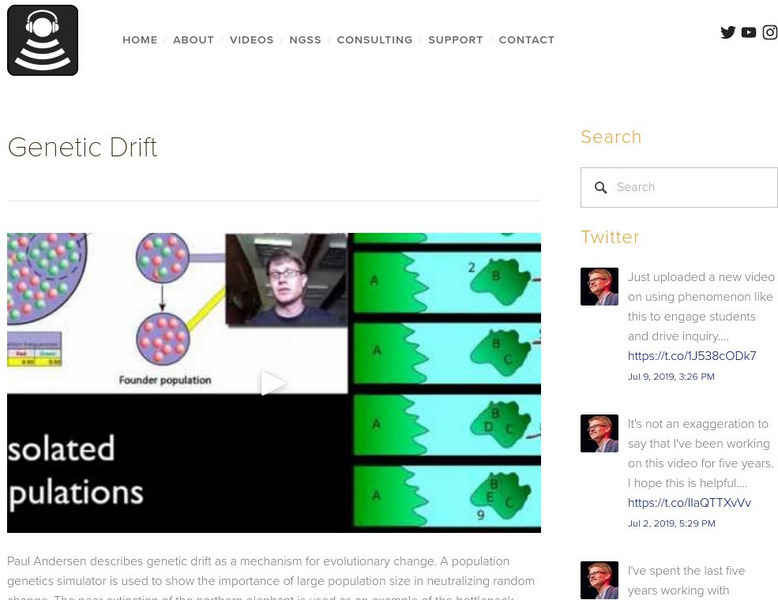
Bozeman Science: Genetic Drift
Paul Andersen describes genetic drift as a mechanism for evolutionary change. A population genetics simulator is used to show the importance of large population size in neutralizing random change. The near extinction of the northern...
Bozeman Science
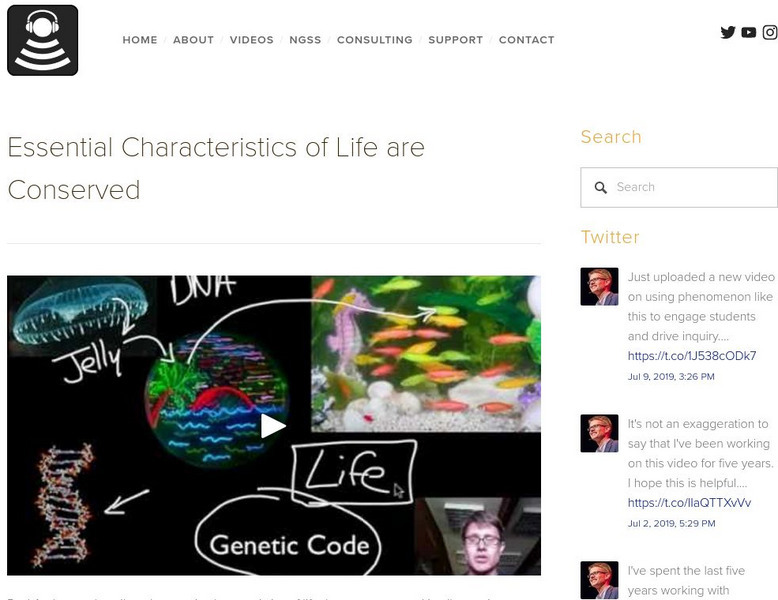
Bozeman Science: Essential Characteristics of Life
Paul Andersen describes three main characteristics of life that are conserved in all organisms on the planet. The universal genetic code, the central dogma of biology, and shared metabolic pathways give us details of the original...
Bozeman Science
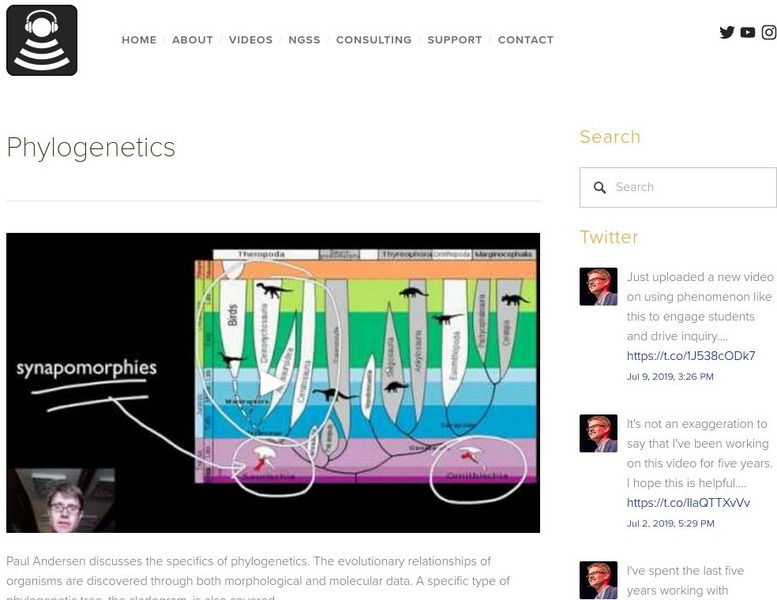
Bozeman Science: Phylogenetics
Paul Andersen discusses the specifics of phylogenetics. The evolutionary relationships of organisms are discovered through both morphological and molecular data. A specific type of phylogenetic tree, the cladogram, is also covered.

Bozeman Science
Bozeman Science: Speciation
Paul Andersen explains how reproductive isolation can eventually lead to speciation. Three main barriers to gene flow are included: geographic, pre-zygotic and post-zygotic. Both allopatric and sympatric speciation are discussed. A brief...
Bozeman Science
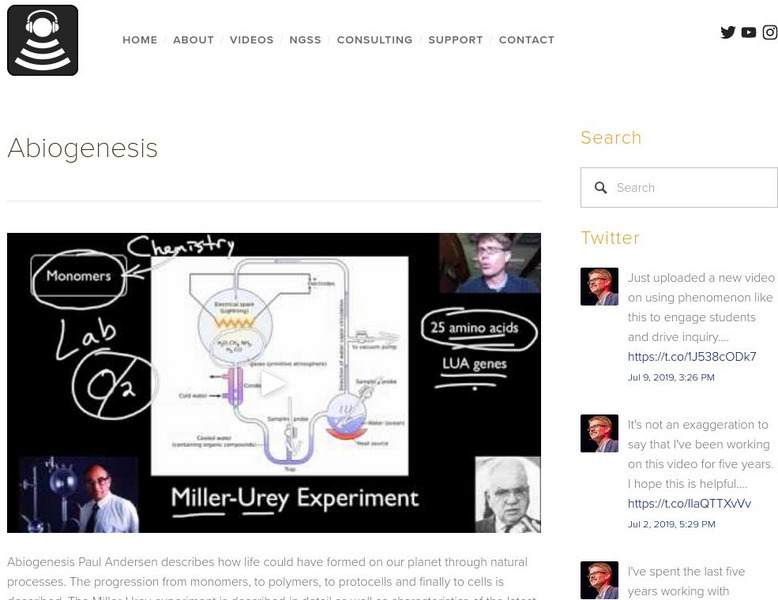
Bozeman Science: Abiogenesis
Paul Andersen describes how life could have formed on our planet through natural processes. The progression from monomers, to polymers, to protocells and finally to cells is described. The Miller-Urey experiment is described in detail as...
Bozeman Science
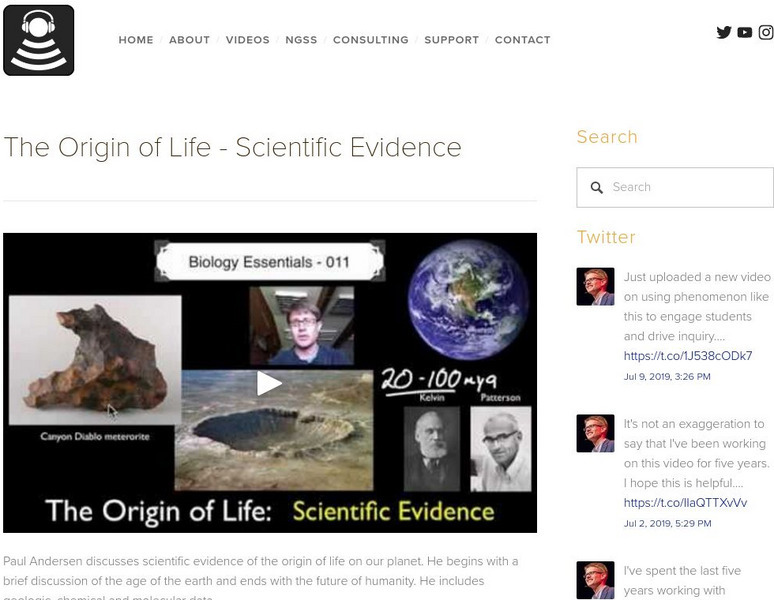
Bozeman Science: The Origin of Life Scientific Evidence
Paul Andersen discusses scientific evidence of the origin of life on our planet. He begins with a brief discussion of the age of the earth and ends with the future of humanity. He includes geologic, chemical and molecular data.
Bozeman Science
Bozeman Science: Life Requires Free Energy
Paul Andersen describes how free energy is used by organisms to grow, maintain order, and reproduce. A brief discussion of the first and second law of thermodynamics is also included.
Bozeman Science
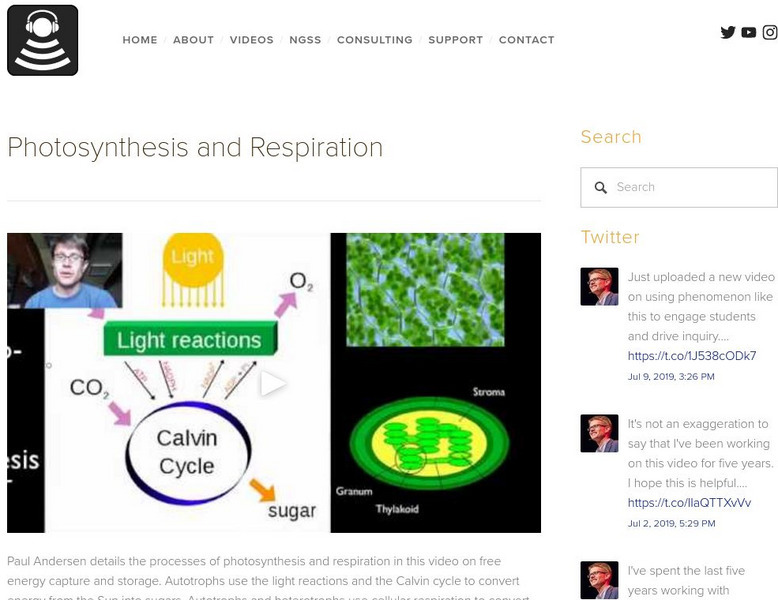
Bozeman Science: Photosynthesis and Respiration
Paul Andersen details the processes of photosynthesis and respiration in this video on free energy capture and storage. Autotrophs use the light reactions and the Calvin cycle to convert energy from the Sun into sugars. Autotrophs and...
Bozeman Science
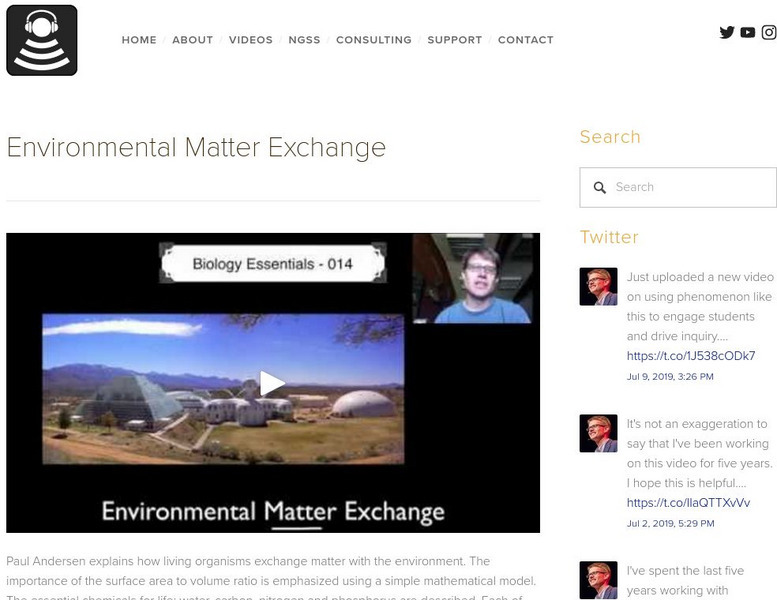
Bozeman Science: Environmental Matter Exchange
Paul Andersen explains how living organisms exchange matter with the environment. The importance of the surface area to volume ratio is emphasized using a simple mathematical model. The essential chemicals for life; water, carbon,...
Bozeman Science
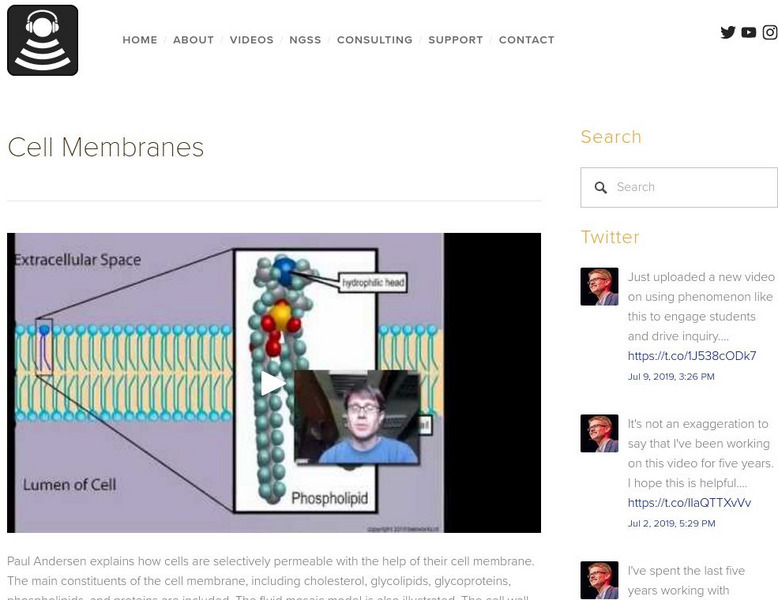
Bozeman Science: Cell Membranes
Paul Andersen explains how cells are selectively permeable with the help of their cell membrane. The main constituents of the cell membrane, including cholesterol, glycolipids, glycoproteins, phospholipids, and proteins are included. The...
Bozeman Science
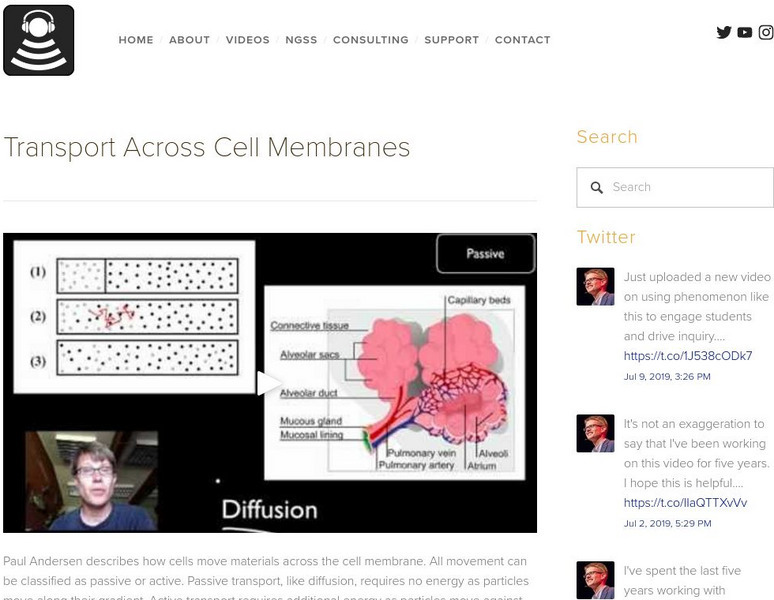
Bozeman Science: Transport Across Cell Membranes
Paul Andersen describes how cells move materials across the cell membrane. All movement can be classified as passive or active. Passive transport, like diffusion, requires no energy as particles move along their gradient. Active...
Bozeman Science
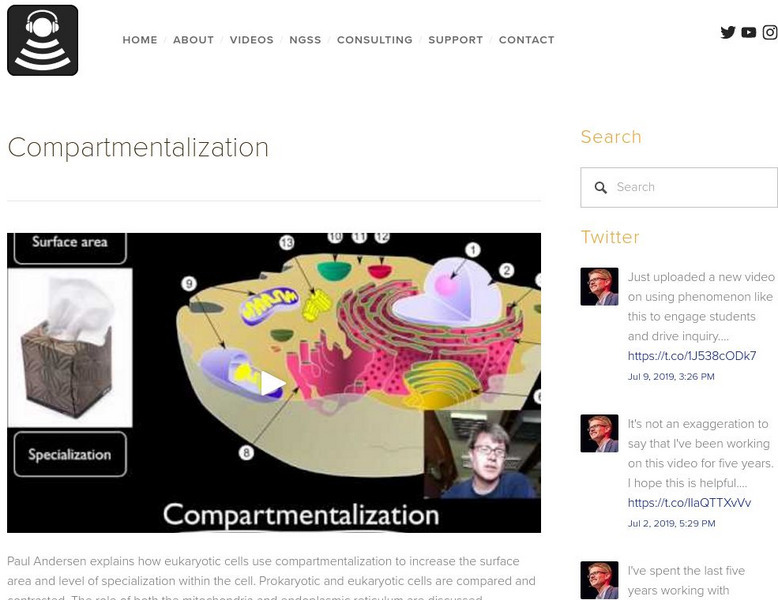
Bozeman Science: Compartmentalization
Paul Andersen explains how eukaryotic cells use compartmentalization to increase the surface area and level of specialization within the cell. Prokaryotic and eukaryotic cells are compared and contrasted. The role of both the mitochodria...

Bozeman Science
Bozeman Science: Positive and Negative Feedback Loops
Paul Andersen explains how feedback loops allow living organisms to maintain homeostasis. He uses thermoregulation in mammals to explain how a negative feedback loop functions. He uses fruit ripening to explain how a positive feedback...
Bozeman Science
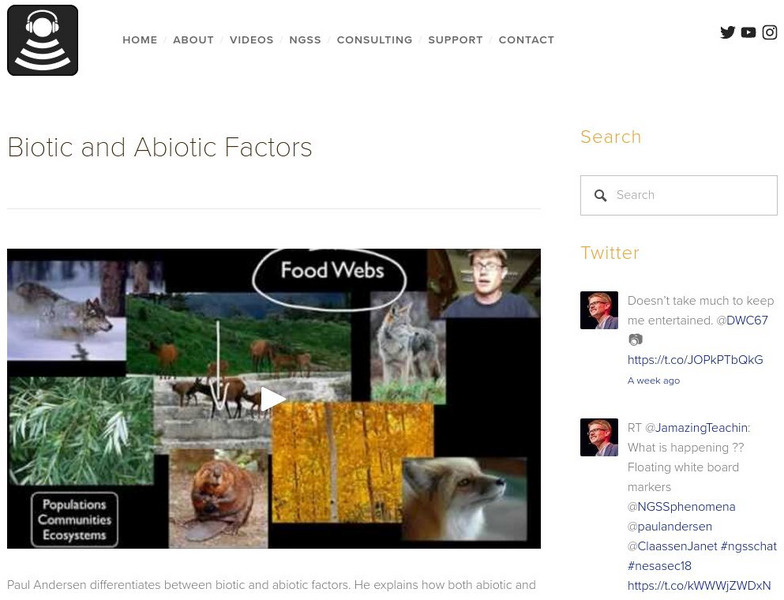
Bozeman Science: Biotic and Abiotic Factors
Paul Andersen differentiates between biotic and abiotic factors. He explains how both abiotic and biotic factors can affect organisms at the level of the cell, the population and even the ecosystem. The complexities of biofilms,...
Bozeman Science
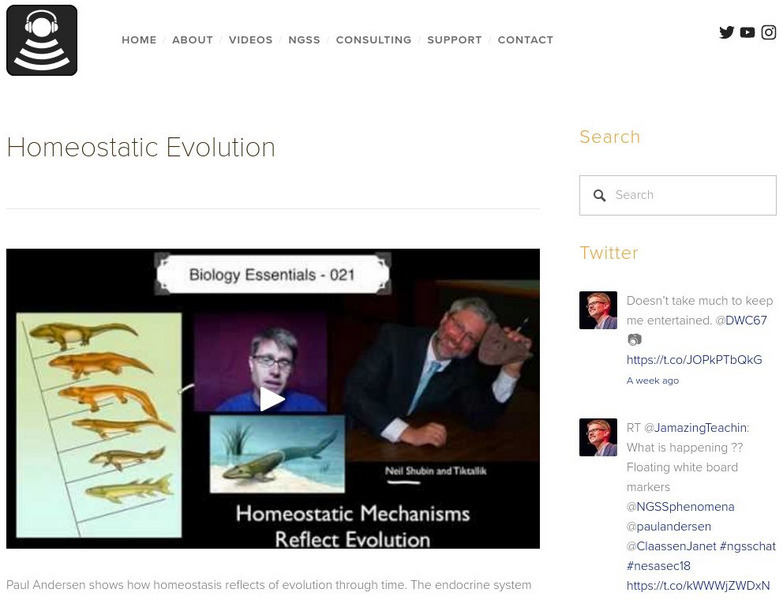
Bozeman Science: Homeostatic Evolution
Paul Andersen shows how homeostasis reflects of evolution through time. The endocrine system shows continuity through flatworms, earthworms and vertebrates. However the respiratory system shows change as organisms move onto land. The...
Bozeman Science
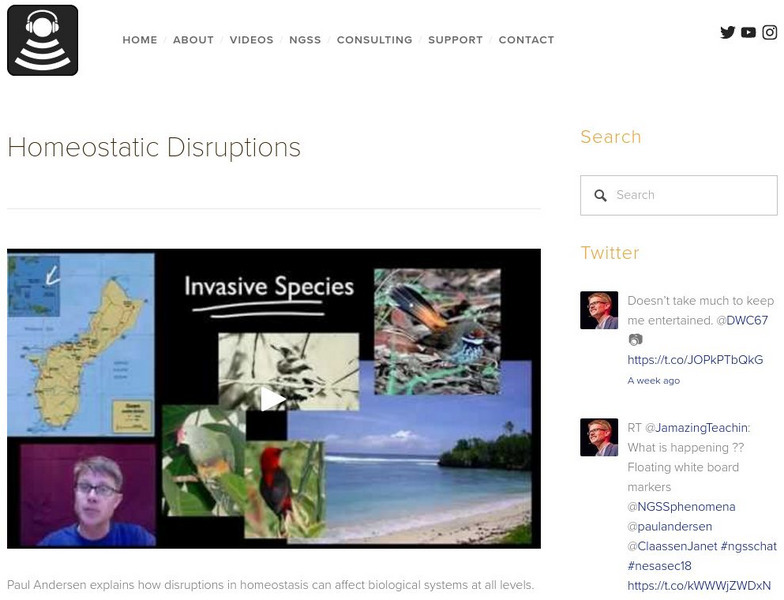
Bozeman Science: Homeostatic Disruptions
Paul Andersen explains how disruptions in homeostasis can affect biological systems at all levels. He uses the example of dehydration in animals to explain how disruptions at the cellular level can affect an organism.
Bozeman Science
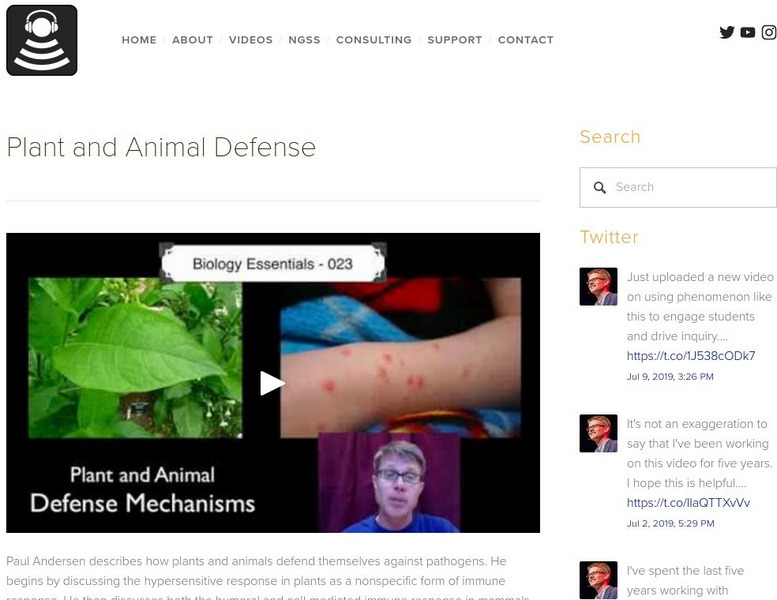
Bozeman Science: Plant and Animal Defense
Paul Andersen describes how plants and animals defend themselves against pathogens. He begins by discussing the hypersensitive response in plants as a nonspecific form of immune response. He then discusses both the humoral and...

Bozeman Science
Bozeman Science: Behavior and Natural Selection
Paul Andersen explains how the behavior of various organisms is shaped by natural selection. The action of phototropism and the timing of photoperiodism have both been shaped by the relative availability of light. Courtship in the bower...
Bozeman Science
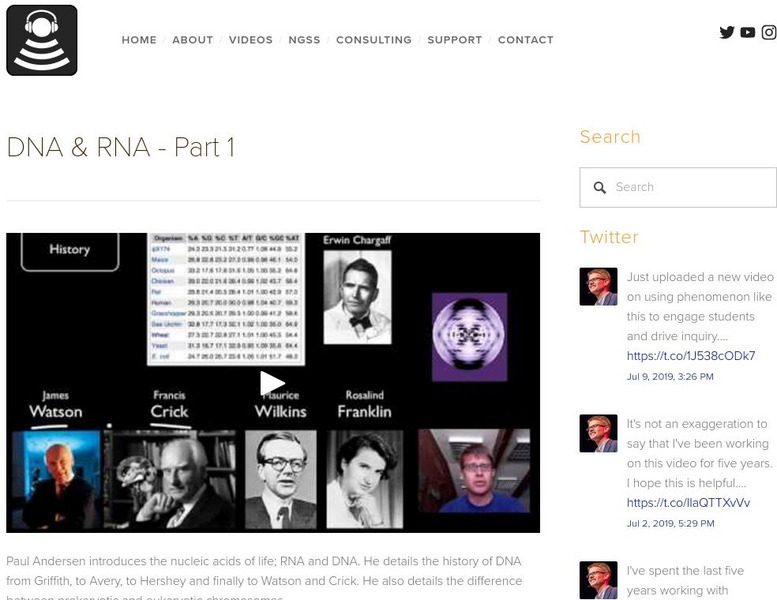
Bozeman Science: Part 1 Dna & Rna
Paul Andersen introduces the nucleic acids of life; RNA and DNA. He details the history of DNA from Griffith, to Avery, to Hershey and finally to Watson and Crick. He also details the difference between prokaryotic and eukaryotic...
Bozeman Science
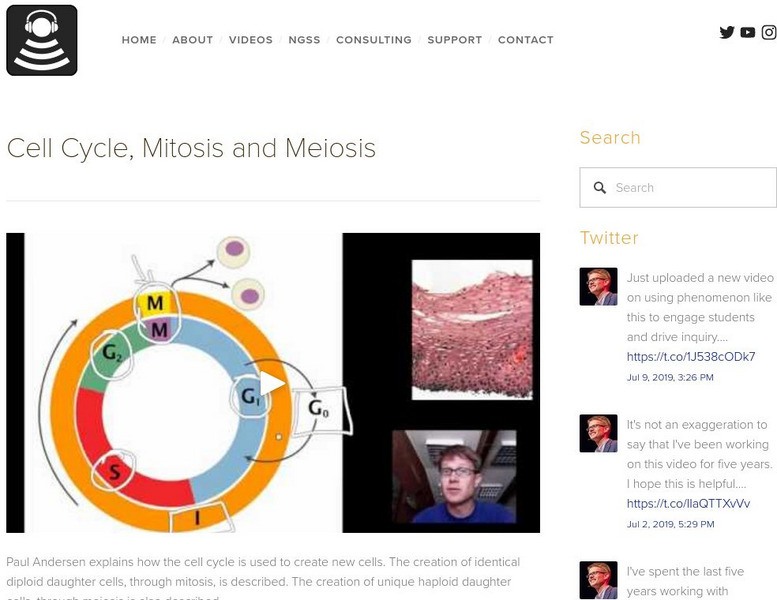
Bozeman Science: Cell Cycle, Mitosis and Meiosis
Paul Andersen explains how the cell cycle is used to create new cells. The creation of identical diploid daughter cells, through mitosis, is described. The creation of unique haploid daughter cells, through meiosis is also described....

Bozeman Science
Bozeman Science: Mendelian Genetics
Paul Andersen explains simple Mendelian genetics. He begins with a brief introduction of Gregor Mendel and his laws of segregation and independent assortment. He then presents a number of simple genetics problems along with their answers.
Bozeman Science
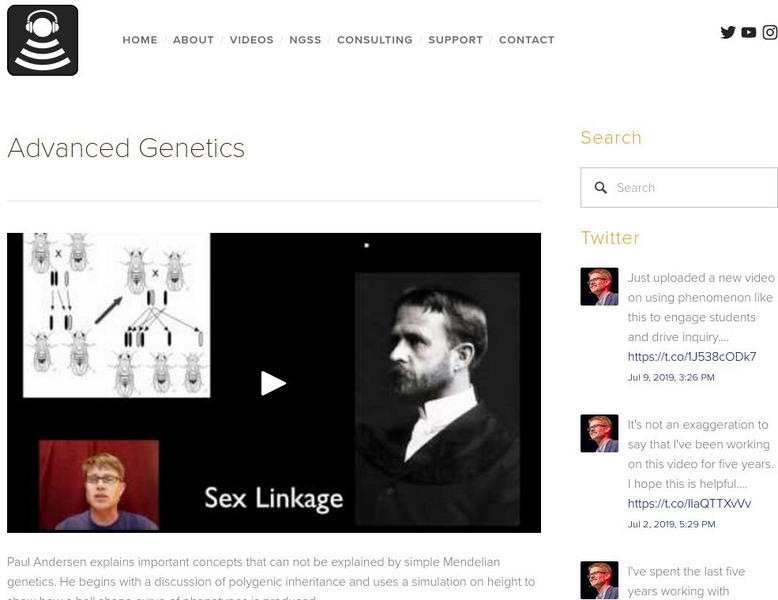
Bozeman Science: Advanced Genetic
Paul Andersen explains important concepts that can not be explained by simple Mendelian genetics. He begins with a discussion of polygenic inheritance and uses a simulation on height to show how a bell shape curve of phenotypes is...