Hi, what do you want to do?





Smithsonian Institution
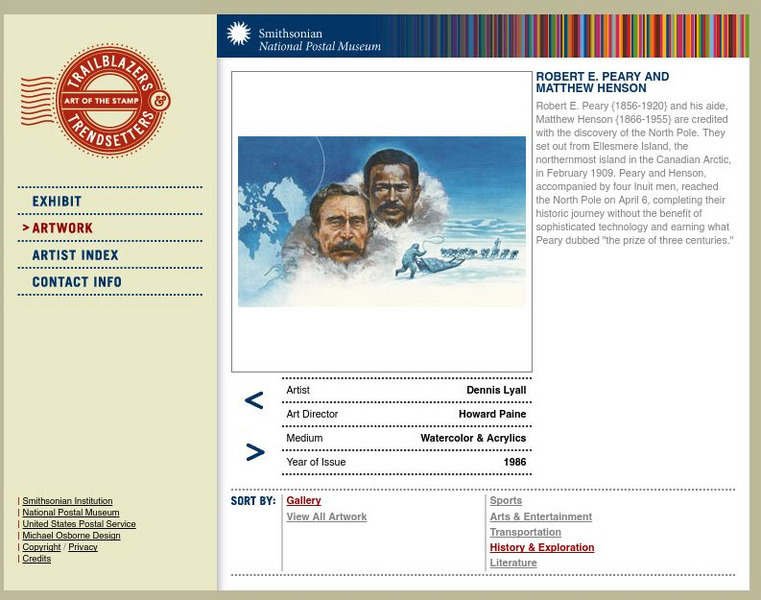
National Postal Museum: Art of the Stamp: Robert E. Peary and Matthew Henson
View the artwork for a U.S. postage stamp issued in 1986 to commemorate the discovery of the North Pole by Robert E. Peary and Matthew Henson. With a short passage on the details of their famous discovery.

ClassFlow
Class Flow: Parts of the Globe
[Free Registration/Login Required] This flipchart explores the vocabulary of studying the parts of the globe: north pole, south pole, equator, longitude, latitude, etc.
Other
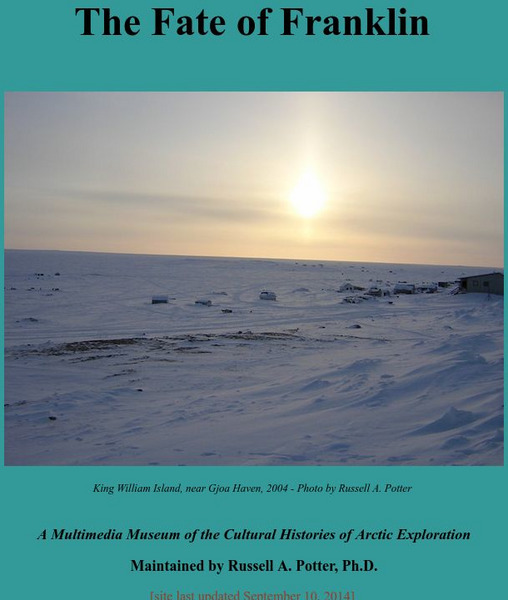
Rhode Island College: The Fate of Franklin
Use this website for multimedia resources and links to other sites with information on Sir John Franklin and his expedition.

Missouri Botanical Garden
Missouri Botanical Garden: Tundra Animals
Explore this comprehensive resource on the birds and mammals of the tundra. This resource features information such as diet, class, order, size, habitat, conservation range and the like.
PBS
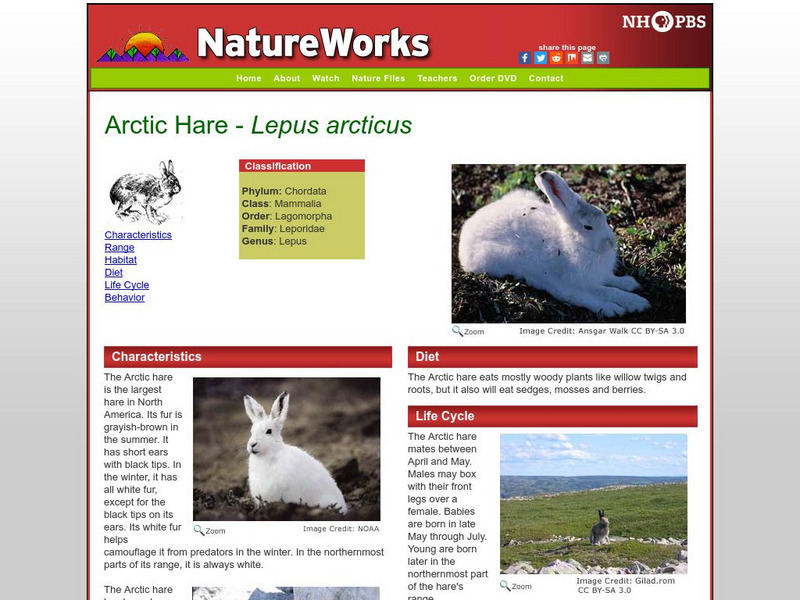
Nh Pbs: Nature Works: Arctic Hare
Explore the world of the arctic hare through this clear and concise site. Students will learn more information on the characteristics, range, habitat, food, reproduction and behavior of this furry creature through this resource.

Georgia Department of Education
Ga Virtual Learning: Forces on Moving Charges in Magnetic Fields
In this interactive tutorial students will explore magnetic force. Students will observe interactions of magnets and study magnetic fields. The source of magnetic properties is believed to be moving charge. Since moving charge produces...
Globe Tracks
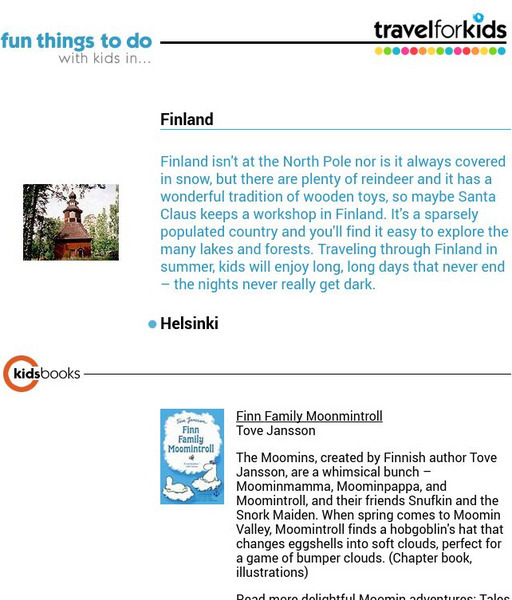
Travel for Kids: Finland
"Finland isn't at the North Pole nor is it always covered in snow." This site lets younger students explore the geography and culture of Finland.
PBS
Pbs Learning Media: Nova Polar Lab
The interactive NOVA Polar Lab uses 360 degrees videos, interviews with scientists, and mini-games to send students on an immersive quest to understand how the poles are key to understanding Earth's climate -- past, present, and future.