Hi, what do you want to do?






Curated Video
Hamlet 1.2 Word Nerd: Merely
The Latin root of the word mirely meant pure or unmixed. The original meaning of merely had a positive connotation, it meant completely or totally and that's how Shakespeare uses it here. However, in Elizabethan English it was already...
Curated Video
Romeo and Juliet 3.3 Word Nerd: "doom"
This video explores the evolution of the word "doom" from its Latin roots to its modern connotations of ruin and destruction. The video highlights Shakespeare's use of the term in "Romeo and Juliet" and explains its historical...
Curated Video
Romeo and Juliet 2.1 Word Nerd: Conjure
This video provides a detailed examination of the etymology and historical significance of the word "conjure," as used in Shakespeare's "Romeo and Juliet." The explanation traces the evolution of the term from its Latin roots to its...
Curated Video
Julius Caesar 5.3 Word Nerd: Success
This video examines the etymology and evolution of the word "success" from its Latin roots in "succedere," meaning to follow or come after, to its modern connotations of achieving a positive outcome. The segment uses Shakespeare's play...
Curated Video
Romeo and Juliet 1.5 Word Nerd: "pilgrim"
In this commentary on Act 1, Scene 5 of "Romeo and Juliet," the discussion focuses on the cultural and historical context surrounding the use of the word "pilgrim" in Shakespeare's time. The commentators explore the evolution of the term...
Curated Video
Etymology
“Etymology” describes the way to research and determine the origins of words.
Curated Video
A Midsummer Night's Dream 1.1.71 Word Nerd: Mew
The word "mew" originates from the Latin word "mutate," which means to change, and is the root of the English word "mutate." However, "mew" is specifically used to describe the molting process of a bird. This term has been extended...

Alliterative
Album: Word History Connections
Alliterative
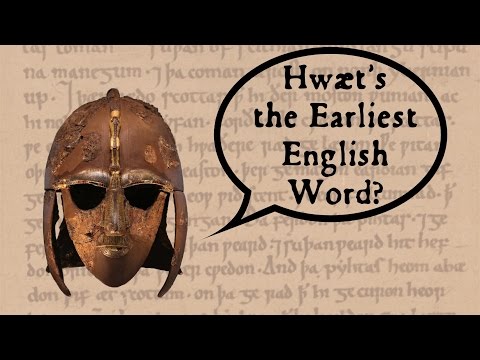
What's the Earliest English Word?
We're looking for the earliest surviving written English word--is it in Anglo-Saxon manuscripts, on artifacts from the migration period, or in Latin? For more on the Anglo-Saxon invasion of England, take a look at my collaboration with...

Alliterative
Ambition: Word History Connections
The roots of ‘ambition’ and other political vocabulary show the way language changes with society's changing values. For further explorations of these subjects, check out Thorneloe University's courses in the Humanities, including "Greek...

Alliterative
Beef: Word History Connections
The history of the word "beef", and its connection to war and conquest. Check out our Patreon page if you'd like to help support us href='https://www.patreon.com/TheEndlessKnot' target='_blank' rel='nofollow'>us For further...
Alliterative
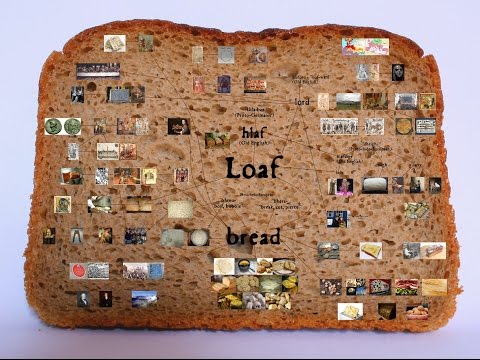
Loaf: Word History Connections
The history of the word "loaf", and the cultural importance of bread. Check out our Patreon page if you'd like to help support us href='https://www.patreon.com/TheEndlessKnot' target='_blank' rel='nofollow'>us For further...
Alliterative
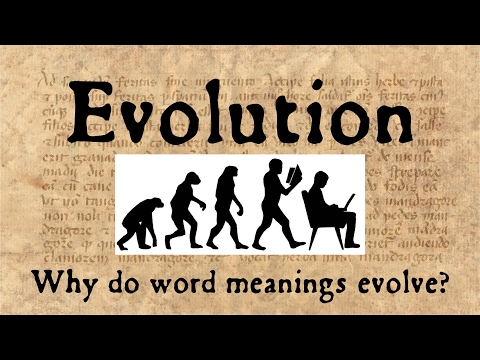
Why Do Word Meanings Evolve? Evolution & Semantic Change
What are the mechanisms of semantic change? And how does the etymology of the word 'evolution' reflect these changes? It turns out that the history of book production ties all these things together! #evolution #etymology #WeCreateEdu...

Alliterative
Bug: Word History Connections
From British folklore to open source computing, the history of the word “Bug”. Check out our Patreon page if you'd like to help support us href='https://www.patreon.com/TheEndlessKnot' target='_blank' rel='nofollow'>us For further...

Alliterative
Coach: Word History Connections
The history of the word Coach: from a town in Hungary to college football. Check out our Patreon page if you'd like to help support us href='https://www.patreon.com/TheEndlessKnot' target='_blank' rel='nofollow'>us For further...

Alliterative
Cocktail pt 2 (Sazerac): Word History Connections


Alliterative
Mai Tai: Cocktail Word History Connections
A brief history of Tiki culture, and the origins of the Mai Tai! Check out our Patreon page if you'd like to help support us href='https://www.patreon.com/TheEndlessKnot' target='_blank' rel='nofollow'>us For further explorations of...

Alliterative
Yule: Word History Connections
The pagan Germanic origins of Yule and many Christmas traditions. Check out our Patreon page if you'd like to help support us href='https://www.patreon.com/TheEndlessKnot' target='_blank' rel='nofollow'>us For further explorations of...
Curated Video
Romeo and Juliet 2.2 Word Nerd: idolatry
This video explores the etymology of "idol," from its Latin and Greek roots to its transformation in English as a term for false gods. It highlights Juliet's unique, positive use of "idol" in "Romeo and Juliet," influencing modern usage...
TED-Ed
TED-ED: Where did English come from? - Claire Bowern
When we talk about 'English', we often think of it as a single language. But what do the dialects spoken in dozens of countries around the world have in common with each other, or with the writings of Chaucer? Claire Bowern traces the...

Alliterative
Fossil: The Language & History of Paleontology
Digging up the classical roots of the word "fossil", and the origins of palaeontology and geology. Check out our Patreon page if you'd like to help support us href='https://www.patreon.com/TheEndlessKnot' target='_blank'...

Alliterative
Clue: Theseus, Agatha Christie, & Fingerprints
From Greek myth to detective fiction: the origin of the word "Clue" Check out our Patreon page if you'd like to help support us href='https://www.patreon.com/TheEndlessKnot' target='_blank' rel='nofollow'>us For further explorations...