

Plimoth Plantation
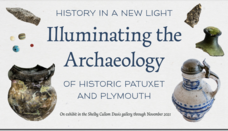
History In A New Light: Illuminating the Archaeology of Historic Patuxet and Plymouth
Sixty-seven pages take scholars on a digital tour through the exhibit, History in a New Light: Illuminating the Archaeology of Historic Patuxet and Plymouth. Crystal clear pictures accompanied by text offer a deep understanding of the...

Curated OER
The Settlement of New England
A thorough exploration of the Puritan Migration and settlement of Plymouth, this presentation is sure to engage your young historians with its clear maps and historical documents. The presentation differentiates the philosophies of...

Curated OER
Choosing Plymouth - Pilgrim Study Unit
Pupils identify the principal physical features the Pilgrims considered when choosing the location of Plymouth. They create a postcard to send to a friend in Europe as if they were a Pilgrim; illustrating one aspect of the settling in...
Curated OER
Settling the Plymouth Colony
Students use the Internet and graphic organizers to research the Plymouth Colony the experience of the Pilgrims. Students compare and contrast different colonies and develop a timeline showcasing their research.

Read Works
Plymouth Colony
Read about the tumultuous beginning to the United States with an informational text passage about Colonial America. As young researchers peruse an article about the arrival of the Mayflower, the settlers' relationship to the neighboring...

Curated OER
Life on Plymouth Plantation
Third graders research life of Plymouth Plantation and write letters about life there home. In this Plymouth life lesson, 3rd graders complete a webquest as they gather information about the journey to America on the Mayflower and the...

Curated OER
Rules, Rules, Rules
Fourth graders create their classroom rules. In this Mayflower Compact lesson plan, 4th graders listen to the Plymouth story and learn about the Mayflower Compact. Students analyze the Mayflower Compact and create a class compact of...
Curated OER
Life in Plymouth - Pilgrim Study Unit
Students write a timeline showing significant events in the Plymouth Colony that occurred between 1621 and 1628. They define and illustrate key vocabulary words which are imbedded in this lesson plan. This simple activity is designed to...
Scholastic
Voyage on the Mayflower for Grades 6–8
Imagine living in the hold of a sailing ship for 63 days, enduring rough seas and autumn storms. As part of a study of the voyage of the Mayflower, class members examine an online resource that details life about the ship, watch a slide...
Scholastic
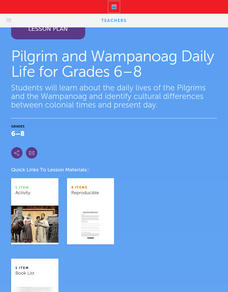
Pilgrim and Wampanoag Daily Life for Grades 6–8
Two slide shows, viewed side-by-side, permit middle schoolers to compare and contrast the lives of the Pilgrims of the Plimoth colony and the Wampanoags. Four videos take learners on virtual field trips to the Plymouth plantation. And an...
Curated OER
Thanksgiving At Plymouth
First graders engage in a holiday celebration of Thanksgiving. They read a play "Thanksgiving At Plymouth" to give the lesson context. The teacher could incorporate costumes and props for a holiday production. After the play they can...

Curated OER
The Plymouth Colony
In this history worksheet, students will draw a line from each historical name to the correct statement or biographical description. The people include John Carver and Squanto.

Core Knowledge Foundation
Columbus and the Pilgrims Tell It Again!™ Read-Aloud Anthology
A read-aloud anthology focuses on Columbus and the pilgrims. Young scholars listen to several stories covering Christopher Columbus, the Mayflower, Plymouth Rock, pilgrims, meeting Native Americans, and the first Thanksgiving. Nine...

Curated OER
Word Find - The Pilgrims at Plymouth
In this Pilgrims at Plymouth word find worksheet, students search the puzzle to locate terms associated with the Pilgrims at Plymouth.

Curated OER
Worksheet #22 Questions - Pilgrims at Plymouth
In this pilgrims in Plymouth quiz worksheet, students test their knowledge on various related terms in ten fill in the blank questions.

Education World
You Are the Historian: Investigating the First Thanksgiving
Students examine the facts and myths that surround the "First Thanksgiving" (the harvest celebration of 1621) at Plimoth Colony. They study the role that historians play in the collection and dissemination of history and use their...
Curated OER
Thanksgiving: Multiple Perspectives
Students examine different perspectives about Thanksgiving that include those of the European Settlers and the Native Americans. They read and discuss an article about Plymouth being "America's Hometown." They develop a landmark for...
Curated OER
A Whole New World
Students examine a timeline of a sequence of events displaying how the colonies were founded. They analyze Jamestown and Plymouth recruitment posters, write journal entries, and play a Jeopardy game with questions about the colonies.
Curated OER
Thanksgiving Day 1621; What Really Happened?
Third graders read "The Plymouth Thanksgiving Story" by Chuck Larsen. They discuss their prior knowledge of Thanksgiving history and question traditional views. They consider that there are always two or more sides to a story.

Curated OER
Calvinism and Puritans
Now your class can discuss Calvinism and Puritans like true academic. How, you ask? Because they've heard a lecture based on the presentation you've just found. Containing informational text, each slide gives basic differences between...

Curated OER
Settling the Plymouth Colony
Students label blank maps with the names of the New England Colonies. They explain the difficulties that the Pilgrims had and how hard they worked to survive in Plymouth.

Curated OER
Plimoth Plantation Field Trip
Take a virtual field trip to the Plymouth plantation. Using the site linked in the instructional activity, discover how people lived during the 17th century in this part of the country. Discuss the role of the pilgrims and native...

Curated OER
The Pilgrim Fathers
In this social studies worksheet, students recall the events of the Pilgrims, their arrival in Plymouth and the events of the first Thanksgiving. Students read a story which has 8 missing words. Students choose the correct word from the...

Teacher Created Resources
The First Thanksgiving Book
Looking for a Thanksgiving week activity? Try this seven-page printable book documenting the story of the first Thanksgiving. Each page (1/2 sheet) has a short text along with a picture kids can color in.
Other popular searches
- Plymouth Rock
- Plymouth Colony
- Plymouth Plantation
- Plymouth and Jamestown
- Pilgrims of Plymouth
- Jamestown Plymouth
- The Pilgrims of Plymouth
- Plymouth Writing
- Plymouth Rock and Pilgrims
- 1620 Plymouth Rock
- Of Plymouth Plantation
- Education Plymouth Rock