Hi, what do you want to do?






Curated OER
Biotic and Abiotic Factors
Life is complex. Just a slight change in the population of one species will have a substantial change on the biotic and abiotic factors of that species' environment. In this video, Mr. Andersen explains the effects removing wolves from...

TED-Ed
What's Hidden Among the Tallest Trees on Earth?
Hidden hundreds of feet above the ground in the redwoods of Northern California is a whole world that was just waiting to be discovered. This video tells the story of Stephen Sillett who, inspired by his grandmother, set out to...

TED-Ed
From the Top of the Food Chain Down: Rewilding Our World
A eloquent narrative and unique animation expound on the megafauna and megaflora that once dominated the planet and helped keep ecosystems in balance. Is there anything that can be done to undo the damage we've done? The speaker proposes...

Scholastic
Study Jams! Changes in Ecosystems
Our scholarly friends head to the lake to go fishing and are unpleasantly surprised by the algae filling the water. They talk about primary and secondary succession as different ways that ecosystems are changed. Show the short video,...

Curated OER
Tell Me Why - Environment and Ecosystems
All of the species in our world are part of what is called a trophic level. Basically, it determines an organism's position in the food chain. Introduce your learners to the basic levels and have them identify more organisms that could...

TED-Ed
A Plant's-Eye View
Why is it important to look at the world from other species' points of view? Author Michael Pollan claims it is a way to reanimate the earth, realize Darwinian insights, and to take the food we need from the earth while healing it in the...

PBS
Pbs Learning Media: Coral Kid
In this video segment, ZOOM guest Cassie takes us on a tour of the coral reef near her home in Key Largo, Florida, and points out some of its unique features. [2:20]

Into the Outdoors
Into the Outdoors: Biological Carrying Capacity
A video explaining how the biological carrying capacity is calculated to show the number of an organisms a healthy ecosystem can support. Site also includes lesson plans with activities to go along with video. [4:34]
Into the Outdoors
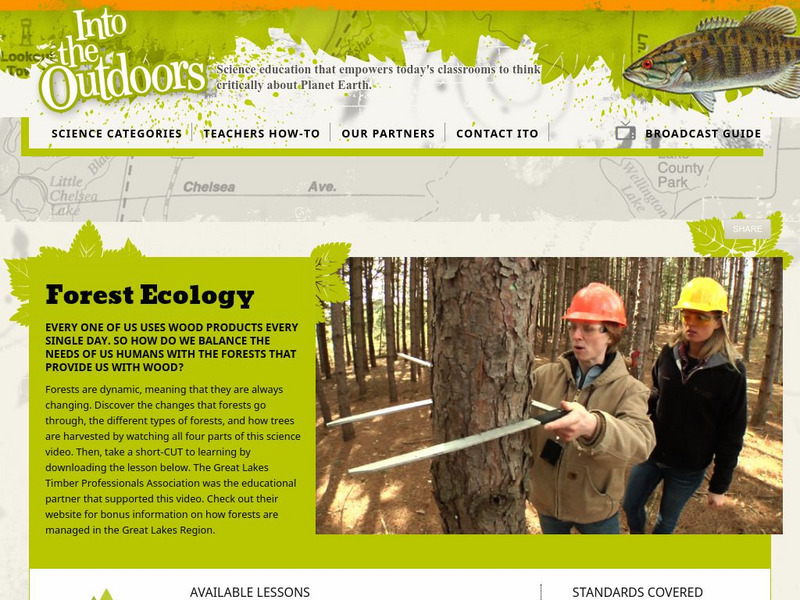
Into the Outdoors: Forest Ecology
Learn about the dynamic forest ecosystem with these four short videos. Videos discuss how the forest is constantly changing and how it maintains its function in the ever changing ecosystem. Site also includes a lesson plan for monitoring...
Into the Outdoors
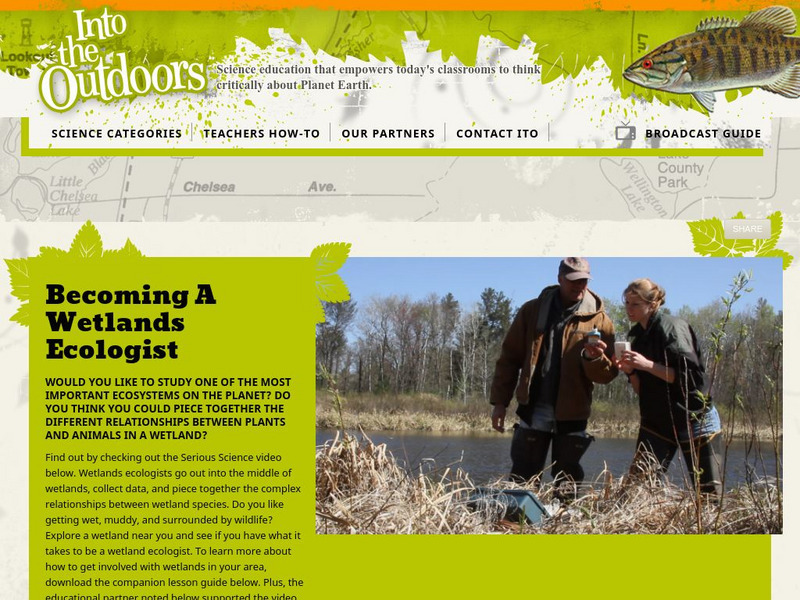
Into the Outdoors: Becoming a Wetlands Ecologist
A video introducing students to what a wetland ecologist studies. Learn that to study the wetlands ecologist must understand the relationship between the non-living and living factors. Also included on the site is a lesson plan for...
Nature Conservancy
Nature Works Everywhere: China's Great Forests: Giant Panda and Earth's Climate
Join an expert conservation planning officer on a virtual field trip across the world to two stunning provinces in China, and explore majestic forests, towering mountains, and other iconic landscapes. [36:47] Includes lesson plan.
Smithsonian Institution
National Museum of Natural History: Qrius: Island Biodiversity Tracking Human Influences
How do inhabitants on islands alter the ecosystem over time? An archaeologist will identify specific changes over many years that occurred as a result of human arrival on islands. [29:16]
PBS
Pbs Learning Media: Flood Plain and Higher Ground Habitats
This video segment from NatureScene features the area of the Congaree Swamp where the high ground and the flood plain meet. Learn how a few feet of difference in elevation on a floodplain can yield drastic changes in what you'll find...
Into the Outdoors
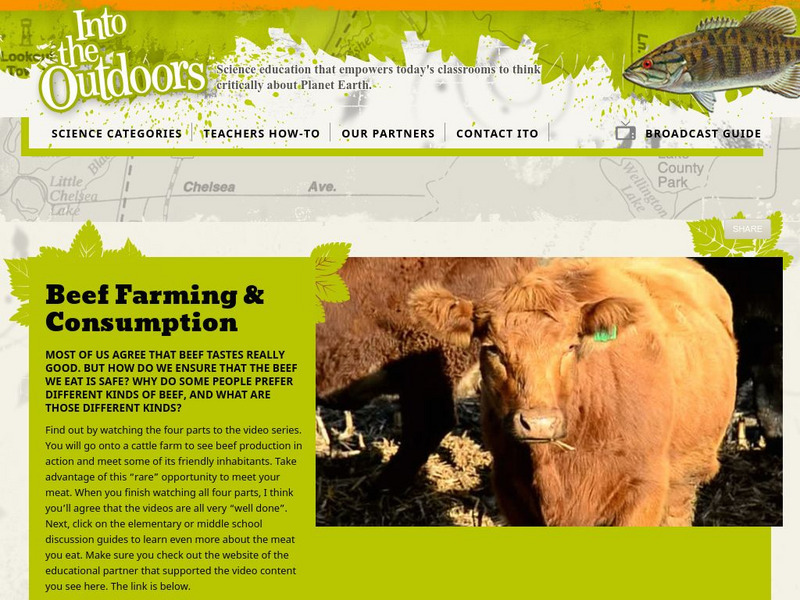
Into the Outdoors: Beef Farming and Consumption
A four part video segment on how proper nutrition should include beef, how beef is processed, and the science behind cattle raising. Videos explore how lean beef is a good source of nutrients. They will also show how beef is processed...
PBS
Pbs Learning Media: Crash Course Ecology: 5 Human Impacts on the Environment
Hank gives the run down on the top five ways humans are negatively impacting the environment and having detrimental effects on the valuable ecosystem services which a healthy biosphere provides. [10:37]
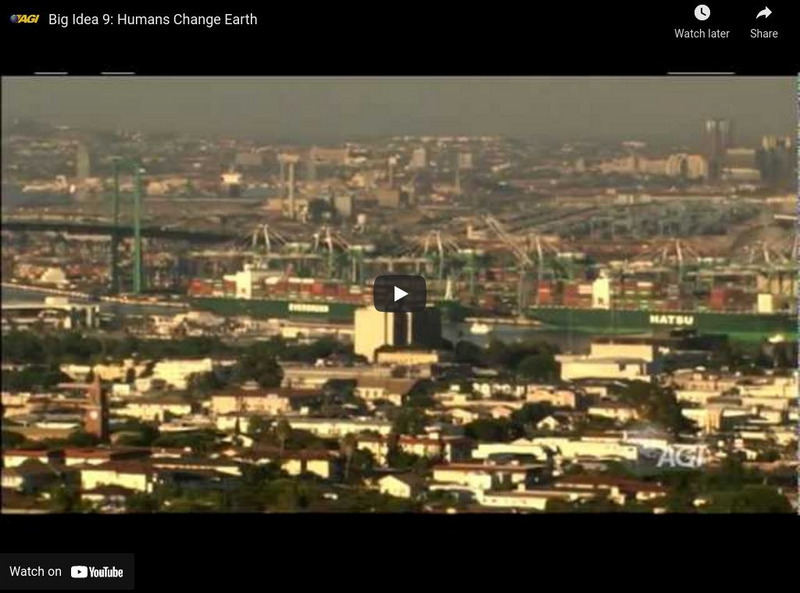
American Geosciences Institute
American Geosciences Institute: Humans Change Earth
Realize the many ways in which humans affect the Earth system, including other living things on Earth. [4:57]
PBS
Pbs Learning Media: Earth a New Wild: Sharks & Shorelines
In this video, students learn about lemon sharks and how their grazing habits help keep mangrove ecosystems healthy. [3:57]
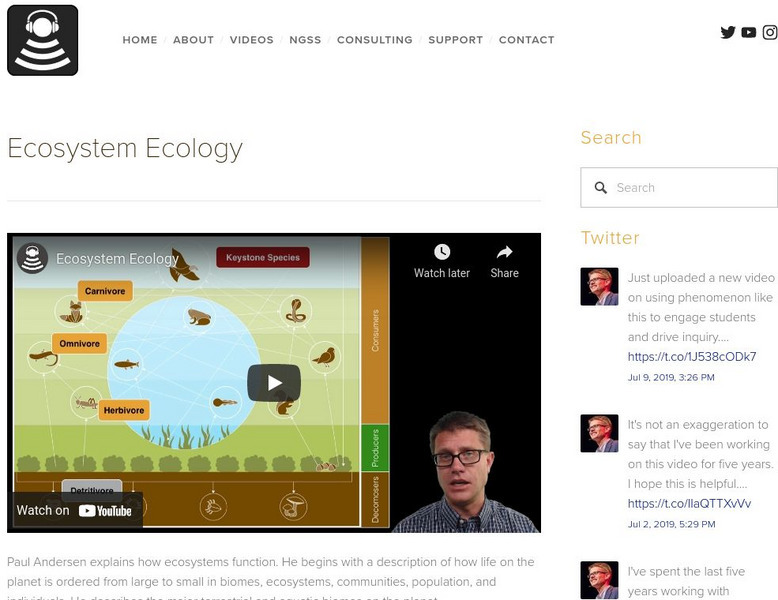
Bozeman Science
Bozeman Science: Ecosystem Ecology
Paul Andersen explains how ecosystems function. He begins with a description of how life on the planet is ordered from large to small in biomes, ecosystems, communities, population, and individuals. He describes the major terrestrial and...
Sophia Learning
Sophia: Environmental Concepts: Lesson 1
This lesson will define ecology, natural environment, ecosystem, and environmental deficit, while delineating the formula for calculating human impact on the environment. It is 1 of 3 in the series titled "Environmental Concepts."
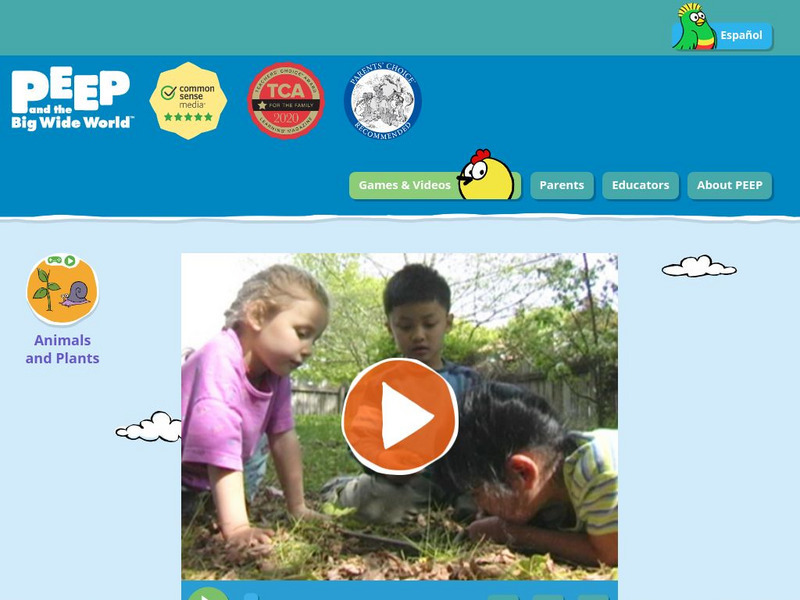
PBS
Wgbh: Peep and the Big Wide World: Exploring Small Spaces: Animals and Plants
Explore a small area in the woods to discover what tiny plants and animals live there. [1:25]
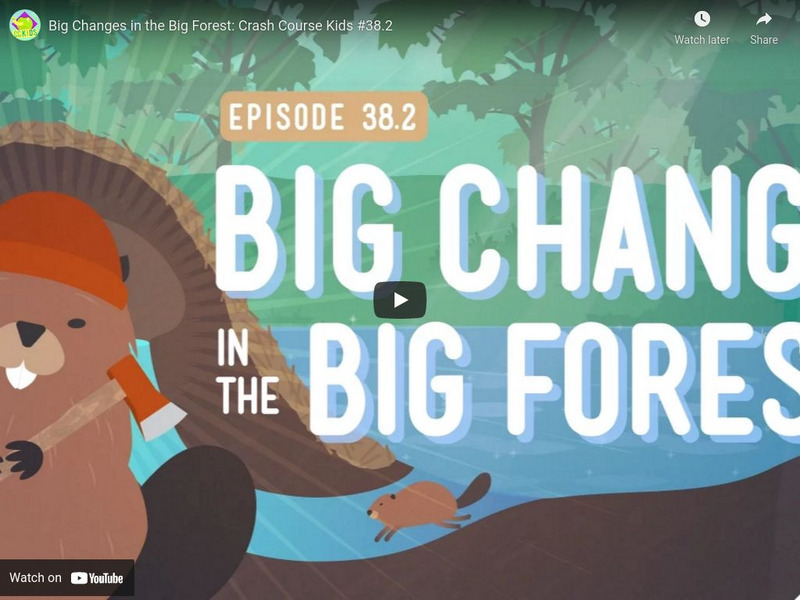
Crash Course
Crash Course Kids 38.2: Big Changes in the Big Forest
In this Crash Course episode, learn how humans change their environments simply by living in them. [4:38]

Other
Monkey See: What Is an Ecosystem?
Science expert Emerald Robinson explains what an ecosystem is and why they are important. [2:00]
Sophia Learning
Sophia: Parts of an Ecosystem
A video lesson defining the basic vocabulary necessary to describe an ecosystem and its parts. Learn how the abiotic and biotic factors work together to form an ecosystem. [7:27]
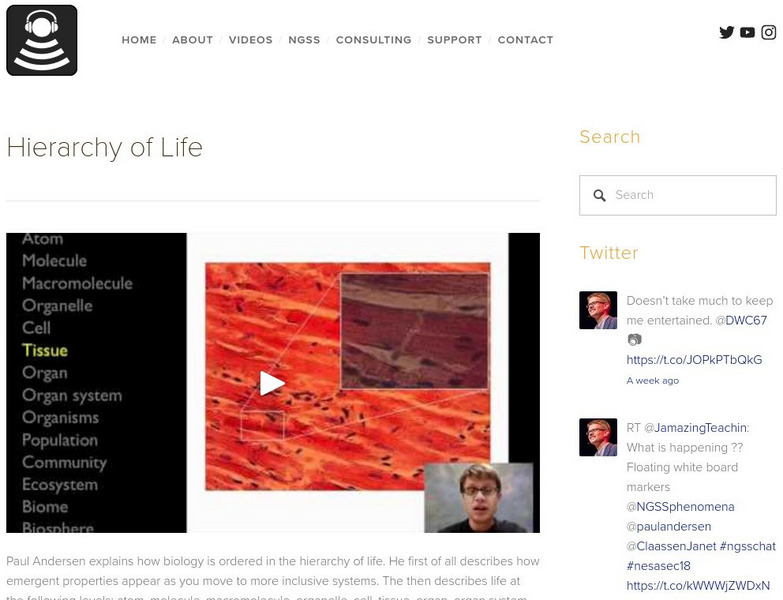
Bozeman Science
Bozeman Science: Hierarchy of Life
Paul Andersen explains how biology is ordered in the hierarchy of life. He first of all describes how emergent properties appear as you move to more inclusive systems. The then describes life at the following levels; atom, molecule,...