Hi, what do you want to do?






Brian McLogan
Take the derivative by using implicit differentiation and properties of logarithms
👉 Learn how to find the derivative of an implicit function. The derivative of a function, y = f(x), is the measure of the rate of change of the function, y, with respect to the variable x. The process of finding the derivative of a...



Curated Video
Incredible Footage Reveals The Microscopic World Around Us
The 2017 Nikon Small World in Motion Photomicrography Competition brought together photographers of anything small once again. Tech Insider tells you all you need to know about tech: gadgets, how-to's, gaming, science, digital culture,...
Packt
Filter the Web Table using Selenium JavaStreams
This video explains how to filter the web table using Selenium JavaStreams.
<
br/>
This clip is from the chapter "Selenium Java Streams - Automate Sort, Pagination, and Filtering the Web Tales" of the series "Selenium WebDriver with...
<
br/>
This clip is from the chapter "Selenium Java Streams - Automate Sort, Pagination, and Filtering the Web Tales" of the series "Selenium WebDriver with...
FuseSchool
What Is An Atom?
Atoms are tiny particles that are so small they are not possible to see with the naked eye, and are only barely possible to make out with the most powerful microscopes. Everything that exists in our universe is made up of atoms –...
Curated Video
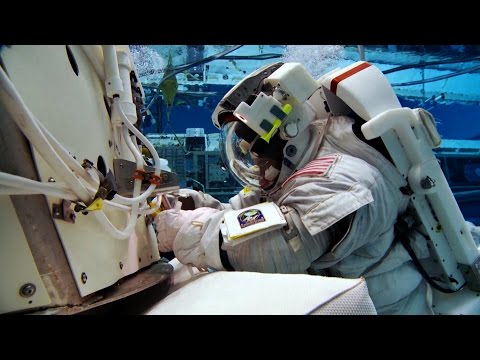
First Step In Training For Work on Mars: Go Underwater
Mars: The Secret Science | Mondays at 9/8c on Science Channel Full Episodes Streaming FREE on Science GO href='https://www.sciencechannelgo.com/mars-the-secret-science/' target='_blank' rel='nofollow'>GO The next generation of NASA...


AsapSCIENCE
What If You Only Ate Chips?
What if you only consumed potatoes forever? Listen to our podcast='http://youtube.com/sidenotepodcast' target='_blank' rel='nofollow'>podcast Created by: Mitchell Moffit and Gregory Brown Written by: Matthew Carter Illustrated by:...
Curated Video
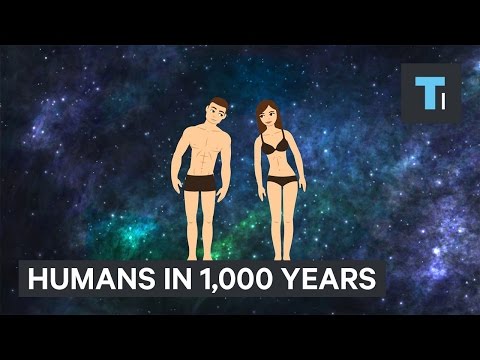
What Humans Will Look Like In 1,000 Years
There will eventually be a day where prosthetics are no longer just for the disabled. However, it’s not just our outside appearance that will change – our genes will also evolve on microscopic levels to aid our survival. For example, an...

Deep Look
Banana Slugs: Secret of the Slime
Banana slugs eat animal droppings and leaves, all while generating waste that acts as a fertilizer. The video explains the slug's role in the ecosystem. It highlights the benefits of the slime for slugs' movement, food source, and even...

PBS
How Two Microbes Changed History
Where would we be without bacteria? As it turns out, we owe them everything! Introduce young biologists to endosymbiotic theory using an amazing video from an extensive biology playlist. Scholars discover the bacteria that may be...

Deep Look
The Amazing Life of Sand
If you look close enough, sand can tell you a story. A video lesson describes the creation of sand over time. Scholars explore how different types of sand have come to be and the different materials found in a sample of sand.
Science Friday Initiative
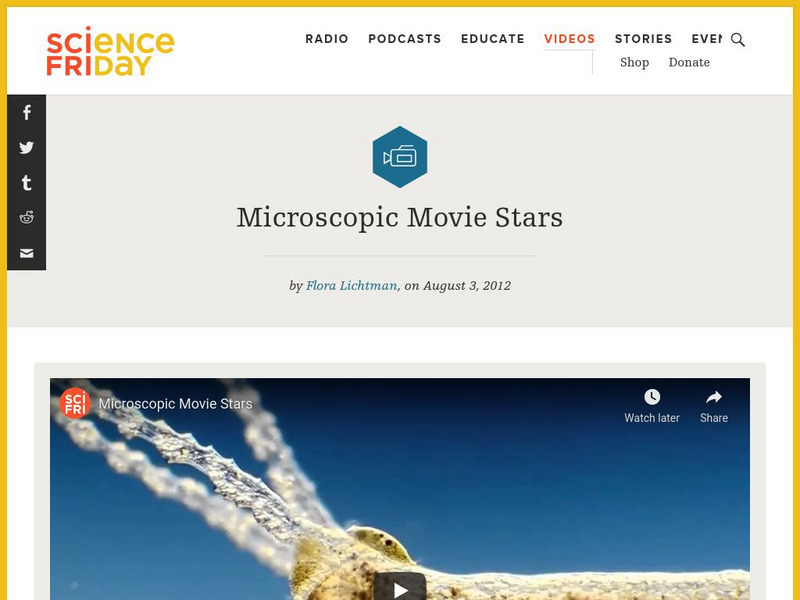
Science Friday: Microscopic Movie Stars
Photographer Roman Vishniac was a pioneer of filming through the microscope. The craft has changed with digital photography, says Dutch photographer Wim van Egmond, who has won numerous awards for his photomicrographs.
Other popular searches
- Using Digital Microscope
- Digital Microscope Hair
- Digital Microscope Insects
- Digital Microscope Sugar
- Digital Microscope Food Web