Hi, what do you want to do?





PBS
Wnet: Thirteen: Birds in Flight, What a Sight!
This lesson has been designed to show young scholars the unique structure that birds possess--feathers--and how they maneuver them in flight.
Next.cc
Next: Air Quality
Learn why clean air is necessary to a healthy life by completing these five activities.
Next.cc
Next: Bicycles
Learn how riding a bicycle helps the environment and your health by completing these four activities. Explore further by clicking on one of the numerous links provided.
Next.cc
Next: Bridges
Complete these three activities to learn about the six main types of bridges and their uses. Includes links to explore related material.
Next.cc
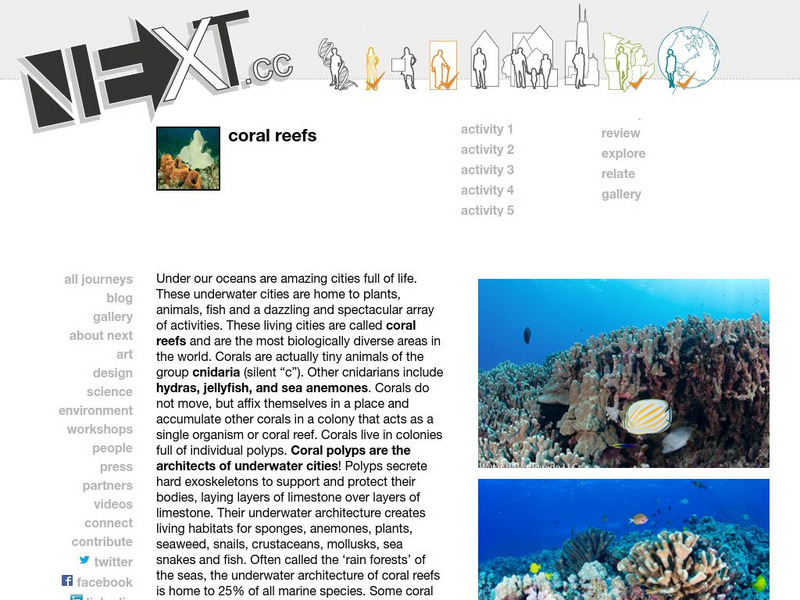
Next: Coral Reefs
Learn about the plants, animals and sea life that inhabit coral reefs by completing the five activities. Explore reefs further by clicking on one of the numerous links provided.
Next.cc
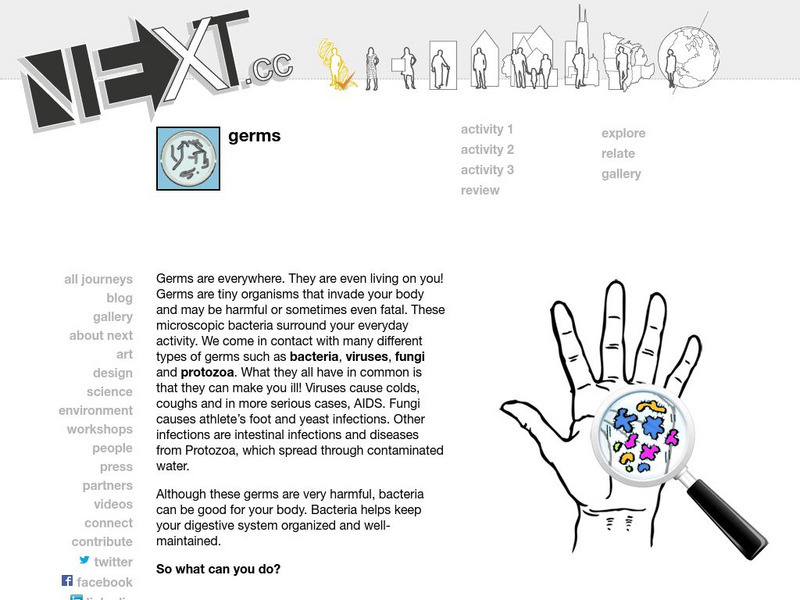
Next: Germs
Engage in the activities provided to learn what you can do to protect your body from harmful germs. Click on the links for further exploration.
Next.cc
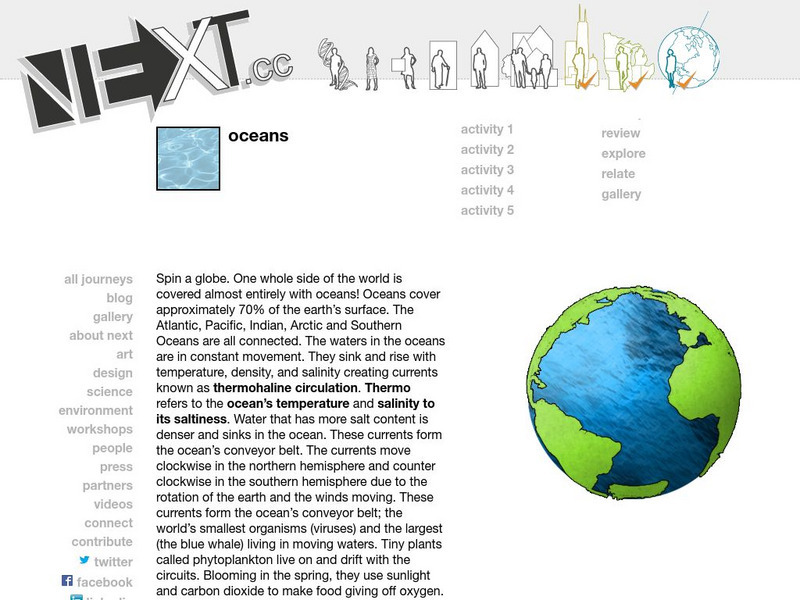
Next: Oceans
Learn about the importance of oceans and their connection to weather by completing the five activities. Explore further by clicking on one of the numerous links provided.
Next.cc
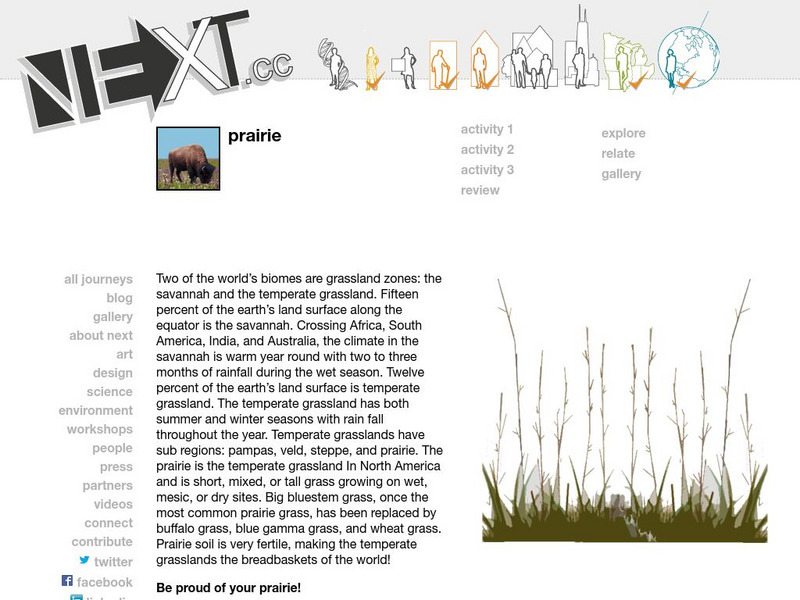
Next: Prairie
Complete these three activities to learn about prairies and where they are located. Includes links to explore related material.
Next.cc
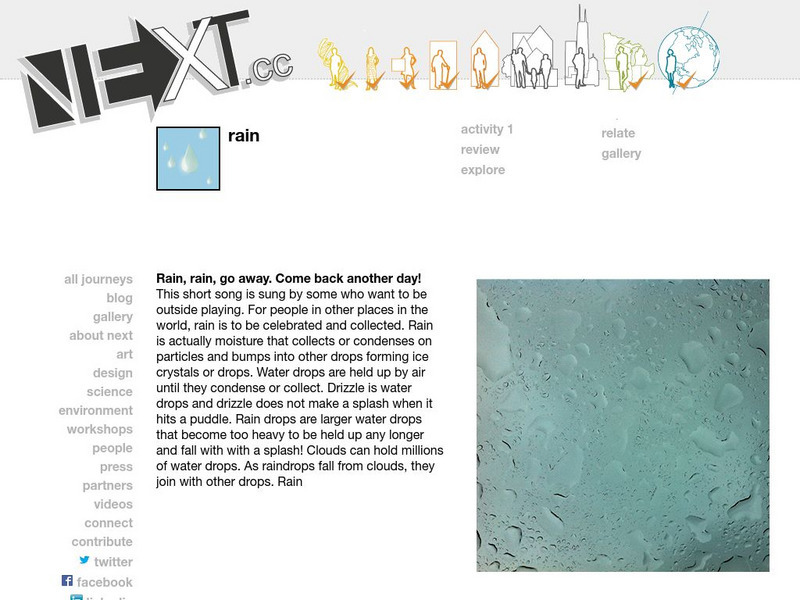
Next: Rain
This activity provides an opportunity to learn about water vapor and its role in rain.
Next.cc
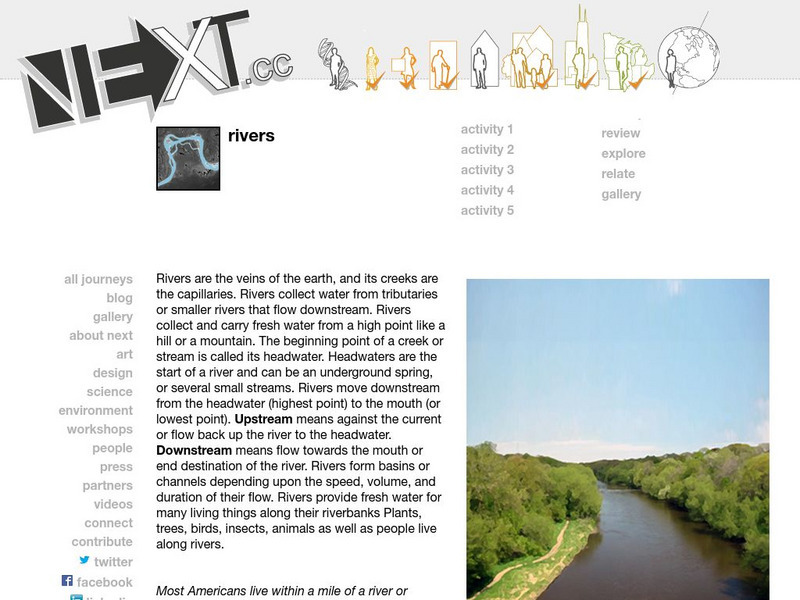
Next: Rivers
Learn how rivers work and the importance of them by completing the five activities. Explore rivers further by clicking on one of the numerous links provided.
Science Education Resource Center at Carleton College
Serc: How Clouds Are Made
Introduce young learners to clouds and weather with guided discovery and inquiry to learn what makes up clouds.
Next.cc
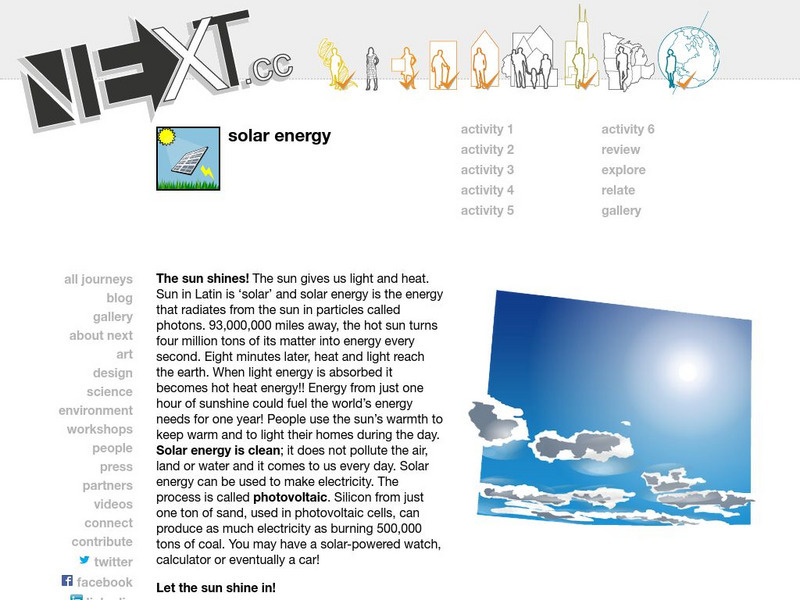
Next: Solar Energy
Engage in the activities provided to learn how you can use the sun as a source of energy. Click on the links for further exploration.

National Gallery of Art
National Gallery of Art: Two Faces of Paul Gauguin
Students will examine Paul Gauguin's self-portraits and letters to learn about the individual who created them and consider how first-person art forms (self-portraits, diaries, letters, journals) aid the process of self-discovery. Then,...

Khan Academy
Khan Academy: Reflect: Serendipity
Students will answer reflection questions based on previous videos about career journeys.
Curated OER
National Park Service: Yellowstone Scavenger Hunt
In order to complete this internet hunt on Yellowstone, students must peruse through the park's website to find the answers to the questions. A very interesting hunt and one that students will be sure to enjoy!
Science Education Resource Center at Carleton College
Serc: Mn Step: Rock Identification and Usage
In this activity, students explore rocks using their five senses. They sort them into groups, learn about landforms, and learn how rocks are used by humans. Their discoveries are recorded in their science notebooks.
Other
Science Alive: Making and Sizing Paper
In this activity students will learn to make and size paper. The activity can be used as an introductory activity to promote student interest. In the early part of the 20th century, the field of chemistry was very involved in industrial...
Famous Scientists
Famous Scientists: Louis Agassiz
This article gives a complete biography of Louis Agassiz. Learn about his discoveries on glacier activity and extinct fishes changed enriched our knowledge base.
NASA
Nasa: Finding the Distances Between Planets
NASA site features a lesson plan that teachers can use to help their students see how far they are from each of the planets.
University of Washington
Neuroscience for Kids: Biological Rhythms
Site contains experiments students can do in the classroom to enhance their understanding of biological rhythms.
HotChalk
Hot Chalk: Lesson Plans Page: Science Experiment: Carrot Tops
"Can a plant grow from just the top of a carrot?" Middle schoolers will engage in this lesson plan to find out.