Hi, what do you want to do?






Curated Video
How Monte Albán Became a Center of Zapotec Civilization
Monte Albán, founded around 500 BCE, was built on a commanding mountaintop at the heart of the Valley of Oaxaca, offering spiritual prestige and strategic defensibility. Despite its challenging terrain, the city rapidly grew into the...
Curated Video
An Introduction to the History of Oaxaca and the Zapotec Civilization
The Mexican state of Oaxaca boasts a rich pre-Columbian history, having been one of the earliest regions in the Americas to domesticate crops and develop permanent settlements. It was home to the Zapotec civilization, who built urban...
Bedtime History
The History of Chocolate
Chocolate is not just a delicious treat, but a relic of the ancient Mesoamerican civilizations where it was first developed. Early indigenous groups ground dried cacao beans into powder to mix with water. Some believed chocolate was a...
Curated Video
Monte Albán’s Regional Dominance in Ancient Oaxaca
Monte Albán’s early history is marked by rapid growth and aggressive expansion, transforming it into the dominant power in the Valley of Oaxaca by 300 BCE. As it extended control over surrounding regions through conquest and influence,...
Curated Video
The Rise and Fade of San José Mogote
Before Monte Albán rose to prominence, San José Mogote was the leading settlement in the Valley of Oaxaca around 1300 BCE. Thanks to advanced irrigation, it grew into the valley’s largest village and an important ceremonial center. Over...
Masaman
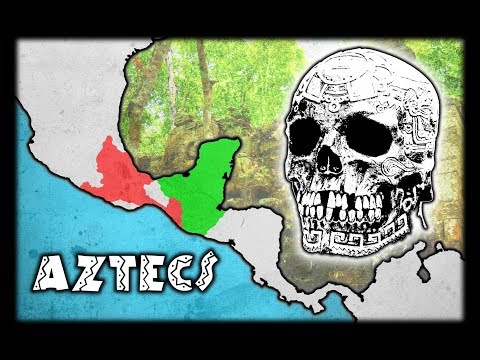
What on Earth Happened to the Aztecs and Mayans?
What happened to the most infamous Mesoamerican civilizations of the Aztecs and Mayans? Today we will explore two groups that have been heavily entwined for hundreds of years, yet both retain their own very distinct identities, and their...
Curated Video
Amaranth: From Ancient Staple to Modern Superfood
This video explores the fascinating history and resilience of the ancient grain, amaranth. From its origins in Mesoamerica and its importance to the Aztec civilization, to its condemnation by the Spanish conquistadors and subsequent...
Curated Video
Mexcio, Chicen Itza Maya site
Chichen Itza was one of the largest Maya cities and it was likely to have been one of the mythical great cities, or Tollans, referred to in later Mesoamerican literature. The city may have had the most diverse population in the Maya...
Curated Video
The Decline of Monte Albán
Monte Albán was abandoned around 800 CE during a widespread period of upheaval across Mesoamerica, likely due to a mix of internal elite conflict, environmental stress, and growing disconnect between rulers and commoners. While power...
Curated Video
Noble and Common Life in Ancient Monte Albán
During the Classic period, Monte Albán experienced a flourishing of elite culture, seen in its art, rulers’ monuments, richly decorated tombs, and increasingly exclusive ceremonial spaces. Tombs and murals emphasized genealogy, divine...
Curated Video
Monte Albán: Zapotec Metropolis of the Classic Period
Around 200 CE, Monte Albán underwent major political changes marked by the rise of a new elite, internal conflict, and a transformation of its ceremonial core—reflected in the dismantling and reuse of earlier monuments like the danzantes...
Curated Video
Deciphering the Zapotec Writing System
The Zapotecs developed one of Mesoamerica’s earliest and most extensive writing systems, with a large corpus found at Monte Albán—though the script remains mostly undeciphered today. While we can read some calendar glyphs and names, the...
Curated Video
The Danzantes of Monte Albán
Monte Albán’s Building L houses many danzantes—stone reliefs long thought to depict dancers but now widely interpreted as representations of sacrifice, with some scholars suggesting alternative meanings like bloodletting rituals. These...
Curated Video
Myths and Legends About Maize in the Americas
Where did maize come from? There is a scientific answer to that question and there are the more creative and intriguing stories. This video covers some of the myths and legends of maize in the Americas. Maize part 3/5
Curated Video
The Fascinating History and Importance of Maize
Maize is believed to have first been domesticated and cultivated 9000 years ago in the Central Balsas region of Mexico. Learn about the genetic makeup of maize and its significance for the Mayan Empire. Maize part 1/5
Weird History
What Everyday Life Was Like for the Aztecs
You may have heard of their calendars, seen their temples, or admired one of their cool looking sculptural artifacts in a museum, but chances are you have no idea what life was really like for the Aztecs.