Hi, what do you want to do?






Wonderscape
The Art of Essay Writing: An Exploration
Delve into the world of essay writing, a literary form that captures personal opinions, experiences, and arguments. Learn about the structure and types of essays, including literary, research, and personal essays. Understand the...
Schooling Online
English Essentials - Next Level Knowledge - Critical Readings Approach to Essays (Stage 6, Years/Grades 11-12)
In today’s lesson, we’ll show you how to analyse texts using the readings approach. Take your analysis of literature to the next level by applying critical readings and finding deeper meaning in your texts. We’ll guide you through...
Tom Nicholas
Literary Texts: Introduction to Cultural Texts and Roland Barthes' From Work to Text
Roland Barthes' From Work to Text is a seminal essay which lays out why, in the humanities, we have come to refer to pieces of literature, films and many other things using the catch-all term "text". Because, we refer a lot to...
Curated Video
Using context effectively in 'Animal Farm' essays
Pupil outcome: I can understand what context is and how to include it effectively in my responses. Key learning points: - Context refers to the historical, social, literary and biographical. - Context should not be presented as isolated...
Curated Video
The Tempest and Post-Colonial Theory: Perspectives on History and Shakespeare's Narrative
This video delves into the complexities of interpreting historical events and literary works, focusing on Columbus's arrival at Hispaniola and Shakespeare's The Tempest. It examines how perspectives shape our understanding of history and...
Schooling Online
English Essentials - Destroying Drama - Finer Details of Dramatic Analysis (Stage 4, Years/Grades 7-8)
This second lesson uncovers the finer details of theatrical dramas. We’ll explore the world of characterisation, focussing on how playwrights build their characters. We’ll also examine how playwrights use scene descriptions and stage...
Oxford Comma
A Complete Guide to Using Textual Evidence
Using textual evidence almost always ensures that your paper will be longer, receive a better grade, and avoid plagiarism. Yet, most students struggle not with finding this research, but writing it into their papers. This video will show...

Lisa's Study Guides
Ransom Literary Devices & Invictus Film Technique Comparison
Timestamps + extra study guides, blogs and video resources for your studies ⇩⇩⇩ Moving beyond themes and characters, we now focus on evidence you can use in your essays - literary devices in Ransom, and film techniques from Invictus. //...

Lisa's Study Guides
Close Analysis with Cake from Like a House on Fire | Lisa Tran
EXTRA RESOURCES ↓↓↓ Learn how to perform a 'close analysis' of a text - looking at the literary techniques and how this shapes and adds to an author's meaning/message. A technique borrowed from VCE Literature. // related content If you...

Lisa's Study Guides
Macbeth | Close Analysis | Lisa's Study Guides
Curated Video
A written analysis of 'The Tell-Tale Heart'
Pupil outcome: I can confidently draft, and redraft a written analysis of a literary text. Key learning points: - It is important to consider the first version of your work a first draft and not the finished essay. - Redrafting your...
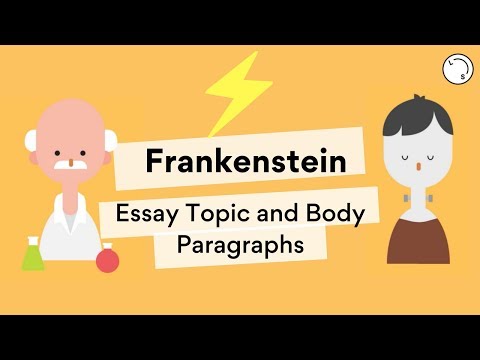
Lisa's Study Guides
Frankenstein | Essay topic exploration | Lisa Tran
Let's see how A+ students kill it in body paragraphs - utilitarian function, metaphor, symbol, dichotomy - WHAT! Yep, we're talking about literary techniques today and how they expand your discussion of the prompt. This is honestly the...


Lisa's Study Guides
The Crucible and Year of Wonders | Literary Techniques Analysis | Lisa Tran
👀 Make sure you read this ➡ The Ultimate Guide to VCE Comparativetp://bit.ly/2WiIZqN' target='_blank' rel='nofollow'>CompaEssaye // related content A Guide To Structuring A Comparative
Curated Video
Weaving context into 'Animal Farm' essays
Pupil outcome: I can understand what context is and how to weave it into my responses. Key learning points: - Context refers to historical, social, literary and biographical information. - Context should not be presented as isolated...
TED-Ed
TED-Ed: The power of a great introduction - Carolyn Mohr
Never underestimate the power of an intriguing start. When analyzing the literary greats like Charles Dickens and Kurt Vonnegut, be inspired by their craft and learn how to write a tantalizing introduction and strong thesis for your...
Tom Nicholas
The Death of the Author: WTF? Roland Barthes' Death of the Author Explained
Roland Barthes’ The Death of the Author is a seminal text in the development of literary theory. Often considered the moment when structuralism gave way to poststructuralism as the dominant approach to cultural analysis, in The Death of...
Curated Video
Using context effectively in writing about 'An Inspector Calls'
Pupil outcome: I can understand what context is and how to include it effectively in my responses. Key learning points: - Context refers to historical, social, literary and biographical information. - Context should not be presented as...
Schooling Online
English Essentials - Destroying Drama - 'Big Picture' Questions in Drama (Stage 5, Years/Grades 9-10)
Welcome back to Destroying Drama! In this first lesson, we’ll delve into some of the ‘big picture’ aspects of theatrical drama. Get ready to explore the anatomy of a playscript and how information is conveyed in this exciting medium....

TED-Ed
Why Should You Read "A Midsummer Night's Dream?"
Set the stage for a study of William Shakespeare's A Midsummer Night's Dream with an engaging animated video that is sure to stoke the interest of readers as it gets to the bottom of the key themes of the comedy. The narrator's arguments...

The School of Life
Virginia Woolf
Libraries may have been locked to women for centuries, but writers like Virginia Woolf were instrumental in opening the doors for other female authors. Learn more about Woolf's place in the modernist age and her voice in the literary...

The School of Life
Gustave Flaubert
How is it possible that an author can create sympathy in the minds of readers for characters who behave in ways that we disdain? Gustave Flaubert was able to accomplish such a goal with Madame Bovary. Introduce readers to this...

TED-Ed
Why Should You Read “Crime and Punishment”?
Dostoevesky's Crime and Punishment is known as the first psychological thriller and a critique of 19th-century Russian society. The narrator of a hauntingly bleak video sets forth a case for reading the infamous novel.

Macat
An Introduction to John Stuart Mill's Utilitarianism
If a goal is worthy are any means justified to achieve this goal? Yes, according to John Stuart Mill. Introduce viewers to Mill's concept of Utilitarianism with a short video that used an animated tale of a battle for a city to...